
Environmental science is entering a transformative era where advanced ecosystem modeling techniques are revolutionizing how we understand and protect our planet’s delicate natural systems.

The convergence of artificial intelligence, big data analytics, and ecological science has created unprecedented opportunities to predict environmental changes, assess biodiversity threats, and develop sustainable management strategies. As climate change accelerates and human activities continue to reshape landscapes worldwide, the ability to simulate complex ecosystem dynamics has become not just valuable but essential for informed decision-making and effective conservation efforts.
🌍 The Evolution of Ecosystem Modeling: From Simple Diagrams to Digital Twins
Ecosystem modeling has traveled a remarkable journey from rudimentary conceptual frameworks to sophisticated digital replications of natural systems. Early ecological models relied on basic mathematical equations that simplified nature into manageable components, often missing the intricate web of interactions that define real-world ecosystems.
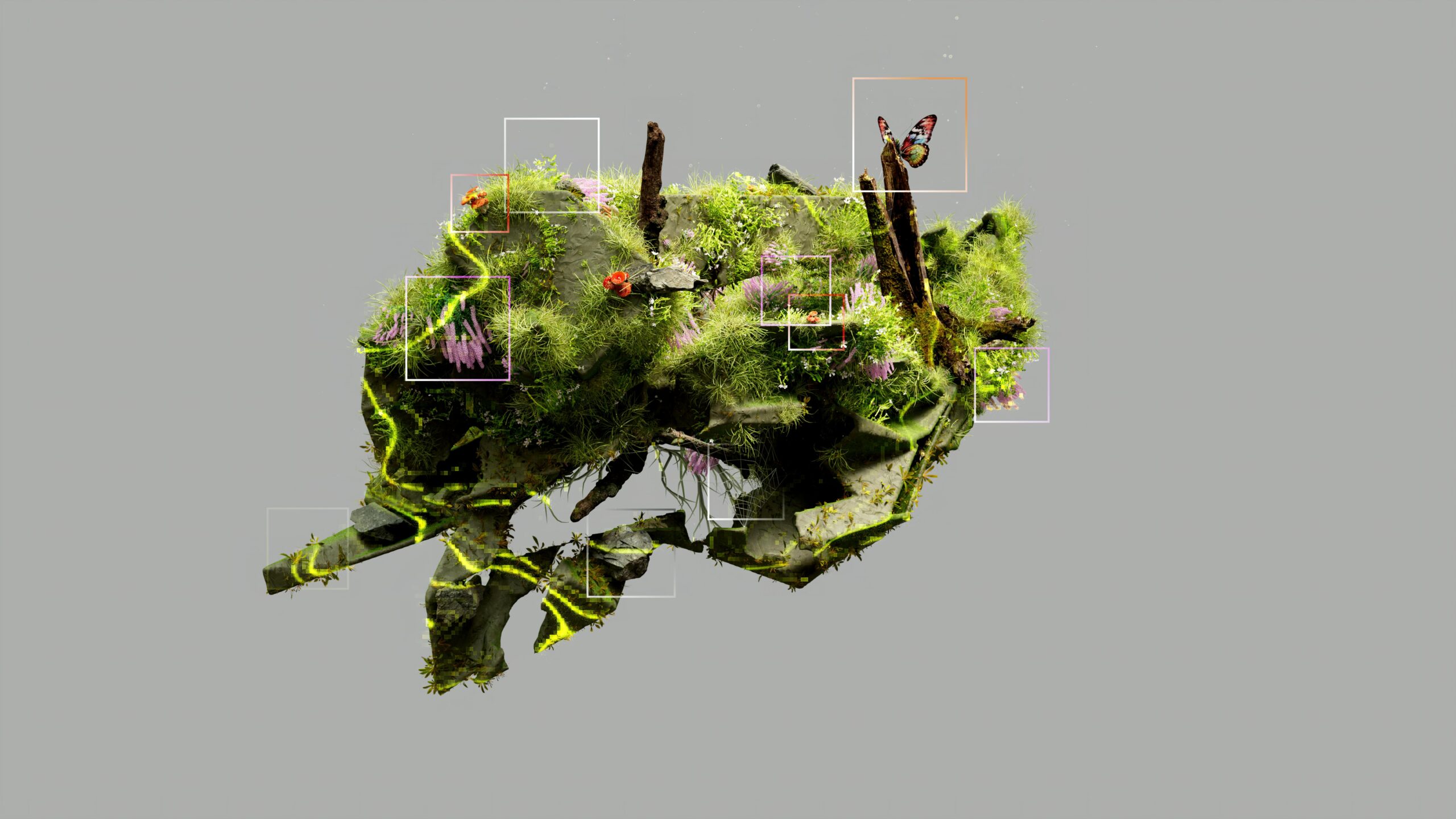
Today’s cutting-edge modeling techniques harness computational power that would have seemed impossible just decades ago. These advanced systems can simulate millions of interactions simultaneously, accounting for variables ranging from microscopic soil bacteria to massive predators, from nutrient cycles to weather patterns, creating what scientists call “digital twins” of actual ecosystems.
The transformation has been driven by exponential increases in computing capacity, the proliferation of environmental sensors, and breakthrough algorithms that can process vast datasets in real-time. Modern ecosystem models integrate satellite imagery, drone surveillance, ground-based sensors, and citizen science observations to create comprehensive representations of ecological dynamics.
Core Technologies Driving Modern Ecosystem Simulation
Several technological pillars support contemporary ecosystem modeling, each contributing unique capabilities that enhance our understanding of environmental processes and patterns.
Machine Learning and Artificial Intelligence 🤖
Machine learning algorithms have become indispensable tools for identifying patterns in ecological data that human analysts might overlook. These systems can predict species distribution shifts, forecast disease outbreaks in wildlife populations, and detect early warning signs of ecosystem collapse by analyzing thousands of variables simultaneously.
Deep learning neural networks excel at processing complex datasets from multiple sources, recognizing subtle correlations between climate variables, species abundance, and habitat characteristics. These AI-powered models continuously improve their accuracy as they ingest more data, creating increasingly reliable predictions about future environmental conditions.
Agent-Based Modeling Frameworks
Agent-based models represent a paradigm shift in ecological simulation by modeling individual organisms or groups as autonomous agents with specific behaviors and decision-making rules. Rather than treating populations as homogeneous masses, these models account for individual variability, spatial distribution, and behavioral adaptation.
This approach proves particularly valuable when studying complex phenomena like migration patterns, predator-prey dynamics, or disease transmission, where individual behaviors aggregate into emergent system-level patterns that simpler models cannot capture.
Remote Sensing Integration 🛰️
Satellite technology and aerial imaging have revolutionized data collection for ecosystem modeling. High-resolution multispectral and hyperspectral imagery provides detailed information about vegetation health, land cover changes, water quality, and even atmospheric composition across vast geographic areas.
Modern models seamlessly integrate this remote sensing data with ground-truth observations, creating layered representations of ecosystems that update in near real-time as new imagery becomes available. This continuous data stream enables adaptive management strategies that respond quickly to emerging environmental threats.
Practical Applications Transforming Environmental Management
The theoretical advances in ecosystem modeling translate into tangible benefits across multiple domains of environmental science and resource management, delivering insights that directly inform policy and conservation action.
Climate Change Impact Assessment
Ecosystem models now serve as critical tools for understanding how climate change will reshape natural communities. By simulating various warming scenarios, these models predict which species face extinction risks, how vegetation zones will shift geographically, and where new ecological communities might emerge as conditions change.
These predictions enable proactive conservation planning, helping managers identify climate refugia where vulnerable species might persist, design wildlife corridors that facilitate climate-driven migration, and prioritize protection for ecosystems most likely to maintain functionality under future conditions.
Biodiversity Conservation Strategies 🦋
Modern modeling techniques provide unprecedented insights into biodiversity patterns and processes. Spatial models identify biodiversity hotspots requiring immediate protection, predict how protected area networks perform under various management scenarios, and optimize conservation investments by targeting actions with maximum ecological return.
Population viability analysis powered by sophisticated models helps conservation biologists assess extinction risks for endangered species, evaluate the effectiveness of captive breeding programs, and design reintroduction strategies that maximize survival probability.
Natural Resource Management
Forestry, fisheries, and agricultural sectors increasingly rely on ecosystem models to balance resource extraction with ecological sustainability. Forest growth models predict timber yields under different harvesting regimes while accounting for biodiversity impacts, soil health, and carbon sequestration services.
Marine ecosystem models simulate fish stock dynamics, helping fisheries managers set sustainable catch limits that prevent overfishing while supporting economic viability. These models incorporate complex factors like ocean temperature changes, predator-prey relationships, and habitat degradation that influence fish populations.
Breaking Down Technical Barriers: Accessibility and Implementation
As ecosystem modeling techniques advance, the scientific community has recognized the importance of making these powerful tools accessible to practitioners, policymakers, and educators who may lack specialized technical training.
User-Friendly Software Platforms
A new generation of modeling software features intuitive graphical interfaces that shield users from complex programming requirements. These platforms provide pre-built model templates for common ecological scenarios, allowing users to customize parameters for their specific systems without building models from scratch.
Cloud-based modeling platforms eliminate the need for expensive computational infrastructure, democratizing access to high-performance simulation capabilities. Users can run sophisticated models through web browsers, collaborating with colleagues worldwide and sharing results instantly.
Open-Source Collaboration 💻
The open-source movement has profoundly impacted ecosystem modeling, with researchers worldwide contributing to shared code repositories that accelerate innovation. Open-source frameworks like R packages for ecological analysis and Python libraries for spatial modeling provide free, peer-reviewed tools that rival or exceed proprietary alternatives.
This collaborative approach fosters transparency in modeling assumptions and methods, enabling rigorous peer review and continuous improvement of modeling techniques through collective expertise.
Overcoming Challenges and Limitations
Despite remarkable progress, ecosystem modeling still faces significant challenges that researchers continue to address through methodological innovations and technological advances.
Data Quality and Availability
Models are only as good as the data feeding them, and ecological data often contains gaps, inconsistencies, or biases that compromise model accuracy. Long-term ecological monitoring programs remain underfunded in many regions, creating data deserts where modeling applications are severely limited.
Emerging solutions include integrating diverse data sources to compensate for individual limitations, developing algorithms that account for data uncertainty, and expanding citizen science initiatives that multiply observation capacity beyond what professional scientists can achieve alone.
Complexity versus Interpretability ⚖️
As models grow more complex and incorporate additional variables, they can become “black boxes” whose predictions are difficult to interpret or explain to non-technical stakeholders. This creates tension between model accuracy and practical usability, especially when communicating results to policymakers who must make decisions based on model outputs.
Contemporary research emphasizes developing models that balance predictive power with transparency, using techniques like sensitivity analysis to identify which variables most strongly influence outcomes and creating visualization tools that communicate complex results through accessible graphics.
Validation and Uncertainty Quantification
Validating ecosystem models presents unique challenges since controlled experiments on entire ecosystems are rarely possible. Models must often be validated against observational data that may not capture the full range of conditions the model attempts to predict.
Advanced uncertainty quantification methods help address this limitation by explicitly representing the confidence levels associated with different predictions, allowing decision-makers to assess risks appropriately rather than treating model outputs as certain forecasts.
🔮 Future Horizons: What’s Next for Ecosystem Modeling
The trajectory of ecosystem modeling points toward even more powerful capabilities that will further enhance our ability to understand and manage natural systems in coming years.
Internet of Things Integration
The proliferation of low-cost environmental sensors creating the “Internet of Things” promises to flood ecosystem models with unprecedented volumes of real-time data. Distributed sensor networks will monitor soil moisture, air quality, acoustic environments, and countless other variables continuously across large landscapes.
This data explosion will enable models that update predictions dynamically as conditions change, providing early warning systems for environmental disruptions and allowing adaptive management responses that adjust automatically to emerging situations.
Quantum Computing Applications
Although still in early stages, quantum computing holds potential to revolutionize ecosystem modeling by solving optimization problems that are computationally intractable for classical computers. Quantum algorithms could identify optimal conservation strategies from astronomical numbers of possibilities or simulate ecosystem dynamics at molecular scales currently beyond reach.
Enhanced Socio-Ecological Integration 🏘️
Future models will increasingly recognize that human activities are inseparable from ecosystem dynamics, integrating social, economic, and behavioral variables alongside ecological factors. These coupled socio-ecological models will better represent real-world systems where human decisions continuously reshape environmental conditions.
Such integrated models will prove essential for addressing complex challenges like sustainable urban development, agricultural intensification, and climate adaptation strategies that require balancing ecological integrity with human needs.
Empowering Stakeholders Through Environmental Intelligence
The ultimate value of cutting-edge ecosystem modeling lies not in technological sophistication itself but in how effectively these tools inform decisions that shape environmental futures.
Supporting Evidence-Based Policy
Policymakers increasingly demand quantitative evidence to justify environmental regulations and conservation investments. Sophisticated models provide this evidence by projecting the likely outcomes of different policy options, allowing cost-benefit analyses that account for ecological services, biodiversity values, and long-term sustainability.
Transparent, well-validated models build public trust in environmental governance by demonstrating that decisions rest on solid scientific foundations rather than arbitrary preferences or special interests.
Engaging Communities in Conservation 🤝
Participatory modeling approaches involve local communities in building and applying ecosystem models, incorporating traditional ecological knowledge alongside scientific data. This collaboration produces models that reflect local realities more accurately while building community ownership of conservation outcomes.
Interactive visualization tools transform complex model outputs into engaging experiences that help diverse audiences understand environmental challenges and potential solutions, fostering broader public support for conservation initiatives.
Preparing the Next Generation of Environmental Scientists
As ecosystem modeling becomes central to environmental science, education systems must evolve to equip future professionals with necessary skills combining ecological understanding with computational literacy.
University programs increasingly emphasize interdisciplinary training that blends traditional field ecology with data science, programming, and statistical modeling. This hybrid skill set enables graduates to bridge the gap between ecological theory and practical application through modeling tools.
Online learning platforms and workshops democratize access to modeling training, allowing professionals worldwide to acquire advanced skills regardless of their institutional affiliations or geographic locations. This global capacity building accelerates the adoption of best practices in ecosystem modeling across diverse contexts.
Maximizing Impact Through Strategic Implementation 🎯
Organizations seeking to leverage cutting-edge ecosystem modeling should approach implementation strategically, ensuring that technical capabilities align with institutional needs and capacities.
Successful modeling initiatives begin with clear problem definitions that identify specific management questions models should address. This problem-focused approach prevents the common pitfall of developing technically impressive models that fail to inform actual decisions because they don’t address stakeholder priorities.
Building internal capacity through training and hiring ensures organizations can maintain and adapt models over time rather than depending entirely on external consultants. This institutional knowledge retention proves critical for long-term modeling success.
Establishing feedback loops between model developers and end-users throughout the modeling process ensures that final products meet user needs and integrate seamlessly into existing decision-making workflows. Regular communication prevents misalignments that waste resources and limit model utility.
Transforming Environmental Understanding Into Action
The rapid advancement of ecosystem modeling techniques represents more than technological progress—it signifies a fundamental shift in humanity’s relationship with the natural world. For the first time in history, we possess tools capable of comprehending ecosystem complexity at scales matching the challenges we face.
These cutting-edge modeling approaches transform environmental insights from retrospective documentation of what has already been lost into prospective guidance for preserving what remains and restoring what was damaged. They shift conservation from reactive crisis management to proactive planning grounded in quantitative understanding of ecological futures.
Success in addressing climate change, biodiversity loss, and resource sustainability will depend substantially on our ability to harness these powerful analytical tools effectively. The technology exists; the challenge now lies in implementing it wisely, ensuring that advanced ecosystem models serve humanity’s long-term interests in planetary health rather than short-term exploitation.
Environmental professionals, policymakers, educators, and concerned citizens all have roles in this transformation. By embracing cutting-edge ecosystem modeling techniques and supporting their continued development and application, we collectively unlock unprecedented capacity to understand environmental systems and shape sustainable futures. The insights these tools provide illuminate pathways through complex environmental challenges, offering hope grounded in rigorous science and technological innovation. 🌱