Tropical marine ecosystems are experiencing unprecedented transformations as climate change, human activity, and natural cycles converge to reshape underwater landscapes in ways never before witnessed.

The vibrant coral reefs, mangrove forests, and seagrass meadows that define tropical coastlines are no longer static environments. These dynamic systems are adapting, migrating, and sometimes collapsing under the weight of warming waters, ocean acidification, and pollution. Understanding these changes is critical not only for marine conservation but for the millions of people worldwide who depend on healthy ocean ecosystems for their livelihoods, food security, and coastal protection.
🌊 The Living Architecture of Tropical Seas
Tropical marine ecosystems represent some of the most biodiverse environments on Earth. Coral reefs alone support approximately 25% of all marine species despite covering less than 1% of the ocean floor. These underwater cities teem with life, from microscopic zooxanthellae that give corals their vibrant colors to apex predators like sharks that maintain ecosystem balance.
Mangrove forests form a crucial transition zone between land and sea, their distinctive root systems providing nursery habitat for juvenile fish while protecting coastlines from storm surge and erosion. Seagrass beds, often overlooked, serve as carbon sinks that rival tropical rainforests in their capacity to sequester atmospheric carbon dioxide.
The interconnectedness of these habitats creates a complex web of relationships. Fish born in mangroves often migrate to seagrass beds as juveniles before reaching maturity on coral reefs. Disrupting one component of this system sends ripples throughout the entire ecosystem, affecting species and processes that may seem unrelated at first glance.
Rising Temperatures and Coral Bleaching Events
The most visible manifestation of climate change in tropical marine ecosystems is coral bleaching. When water temperatures rise above the threshold that corals can tolerate, they expel their symbiotic algae, losing both their color and their primary food source. While corals can recover from brief bleaching events, repeated or prolonged exposure leads to mortality.
The frequency and severity of mass bleaching events have increased dramatically. The Great Barrier Reef experienced back-to-back bleaching in 2016 and 2017, followed by another event in 2020. Caribbean reefs have suffered similar fates, with some regions losing more than 80% of their coral cover over the past four decades.
What makes these changes particularly concerning is the speed at which they’re occurring. Coral reefs evolved over millions of years, but they now face environmental shifts happening within decades. The question facing scientists is whether these ancient organisms can adapt quickly enough to survive in rapidly changing oceans.
Adaptation or Extinction? 🐠
Some coral species show remarkable resilience. Research has identified “super corals” that tolerate higher temperatures and more acidic conditions. Scientists are exploring whether these hardy individuals can be cultivated and transplanted to help restore damaged reefs, essentially accelerating natural selection through human intervention.
Coral spawning represents another avenue for adaptation. During these spectacular annual events, corals release eggs and sperm into the water column, creating opportunities for genetic mixing that might produce more resilient offspring. Understanding and protecting these spawning events has become a conservation priority.
Ocean Acidification: The Silent Threat
While coral bleaching captures headlines, ocean acidification poses an equally serious but less visible threat. As oceans absorb excess atmospheric carbon dioxide, seawater chemistry changes, making it more difficult for organisms to build calcium carbonate shells and skeletons.
This process affects not just corals but entire food webs. Pteropods, tiny swimming snails that form a crucial link in marine food chains, struggle to maintain their delicate shells. Juvenile fish lose their ability to detect predator odors. The compounding effects create cascading impacts throughout tropical marine ecosystems.
The rate of ocean acidification is faster than any time in the past 300 million years. By the end of this century, ocean chemistry could reach levels not experienced since the Paleocene-Eocene Thermal Maximum, a period associated with mass extinctions in the fossil record.
Human Pressures Beyond Climate Change
Climate change doesn’t operate in isolation. Tropical marine ecosystems face multiple stressors that compound one another, creating challenges greater than the sum of individual threats.
Overfishing and Ecosystem Imbalance
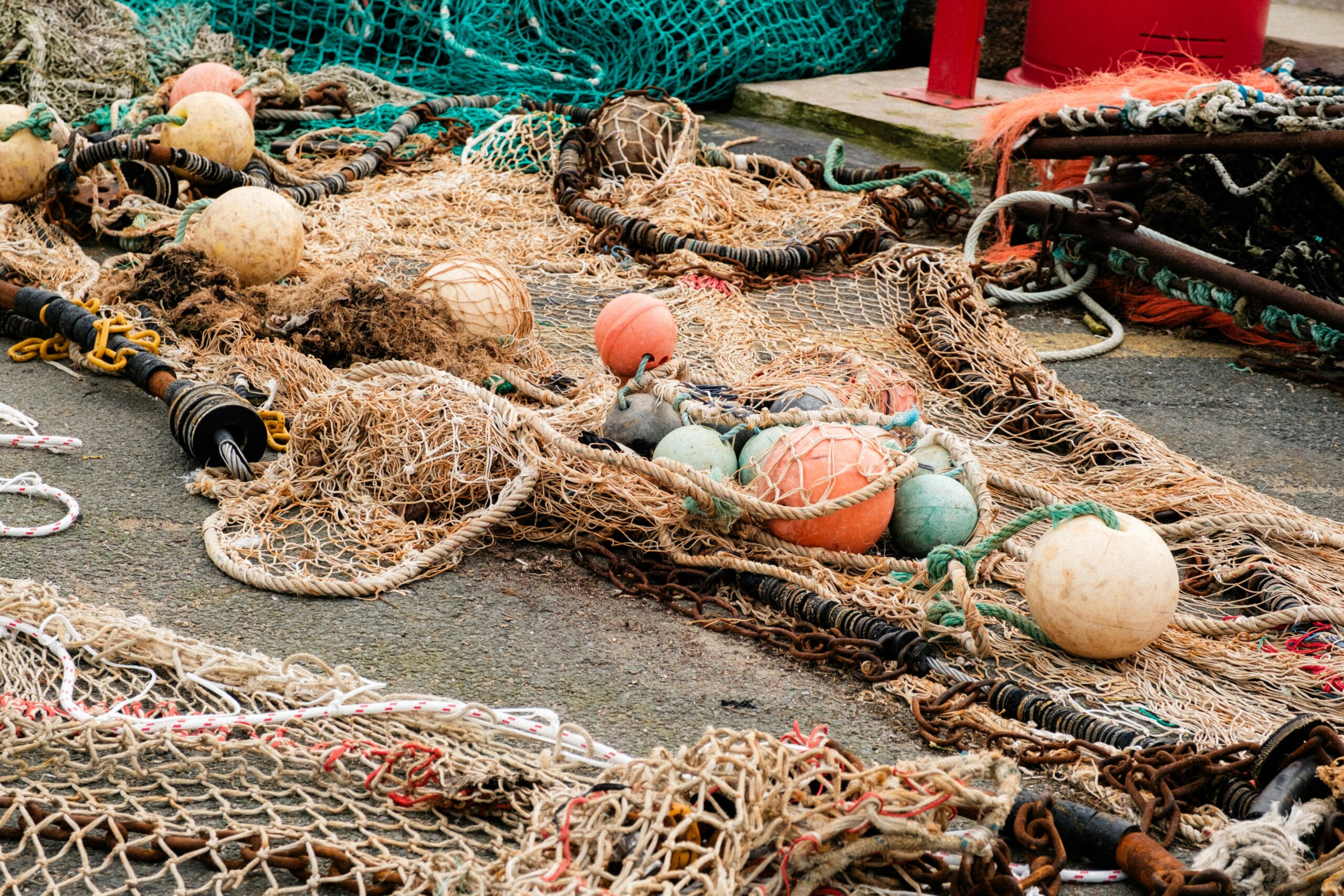
Industrial fishing has removed vast quantities of biomass from tropical waters. The loss of herbivorous fish allows algae to overgrow corals, while the depletion of apex predators disrupts trophic cascades that maintained ecosystem structure for millennia. Destructive practices like blast fishing and bottom trawling physically destroy habitat, leaving scars that persist for generations.
Pollution and Nutrient Runoff
Agricultural runoff carries fertilizers into coastal waters, fueling algal blooms that suffocate coral reefs and create oxygen-depleted dead zones. Plastic pollution has reached even the most remote tropical islands, with microplastics now found in organisms throughout the food web. Chemical pollutants including sunscreen, pesticides, and industrial chemicals add additional stress to already burdened ecosystems.
Coastal Development and Habitat Loss 🏗️
Expanding human populations along tropical coastlines drive habitat conversion. Mangrove forests are cleared for aquaculture and coastal development, eliminating nursery habitat and exposing coastlines to increased erosion. Dredging and coastal construction smother reefs with sediment, while increased boat traffic damages fragile coral structures and introduces invasive species through ballast water.
Shifting Distributions and Novel Ecosystems
As conditions change, species are responding by moving toward the poles in search of suitable habitat. Tropical fish are appearing in subtropical waters, while coral reefs are establishing at higher latitudes where they never existed before. These range shifts create novel species assemblages and unexpected ecological interactions.
Some scientists suggest we’re witnessing the emergence of entirely new ecosystem types—hybrid communities combining tropical and subtropical species in ways that have no historical precedent. Whether these novel ecosystems can provide the same ecological services as their traditional counterparts remains uncertain.
The poleward migration also has limits. Species adapted to tropical conditions may not survive winter temperatures at higher latitudes, creating range boundaries beyond which they cannot expand. Meanwhile, warming waters at the equator may become too hot to support many current residents, potentially creating a squeeze that leaves species with nowhere to go.
The Mangrove Migration Story
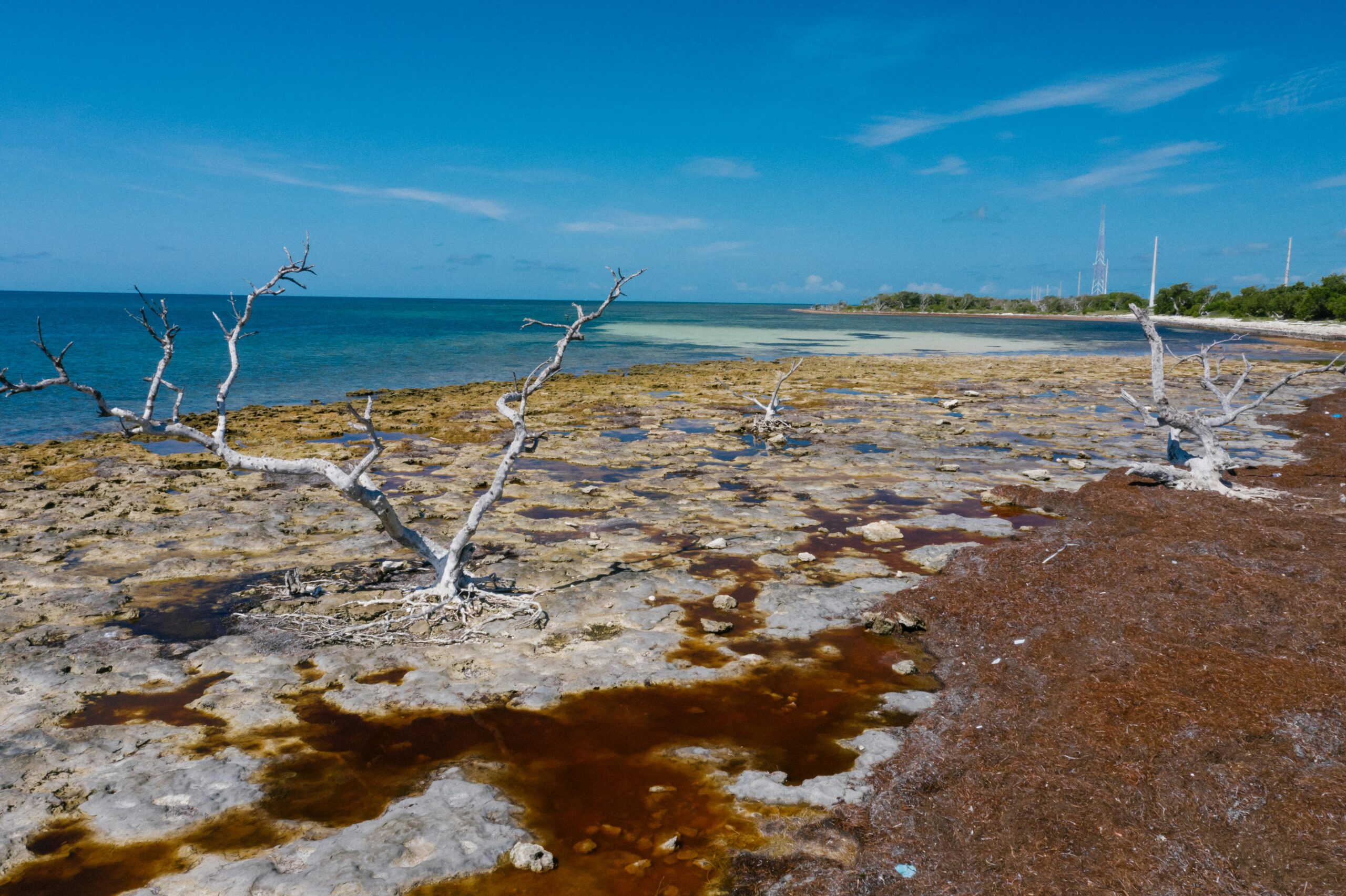
Mangrove forests provide a compelling example of ecosystem transformation in action. These salt-tolerant trees are expanding their range both poleward and inland, responding to warming temperatures and sea-level rise.
In places like Florida and Australia, mangroves are colonizing areas previously occupied by salt marshes, fundamentally changing ecosystem structure and function. While mangroves provide valuable services including carbon storage and nursery habitat, their expansion comes at the expense of other ecosystems that support different species assemblages.
The landward migration of mangroves faces obstacles including coastal development and natural topographic barriers. Without space to migrate, rising seas will simply drown existing mangrove forests, eliminating their ecological contributions entirely.
Innovation in Conservation and Restoration 🔬
Scientists and conservationists are developing innovative approaches to help tropical marine ecosystems adapt to changing conditions. These strategies range from high-tech interventions to community-based management systems that draw on traditional ecological knowledge.
Coral Restoration and Assisted Evolution
Coral nurseries are cultivating resilient coral fragments for transplantation to damaged reefs. Some programs are experimenting with assisted evolution, exposing corals to gradually increasing temperatures to select for heat-tolerant individuals. Cryopreservation efforts aim to bank coral genetic material as insurance against extinction.
Marine Protected Areas and Resilience
Well-designed marine protected areas can enhance ecosystem resilience by maintaining intact food webs and providing refuge where populations can recover. Networks of connected protected areas allow species to move between sites, facilitating adaptation to changing conditions. Evidence suggests that protected reefs recover more quickly from bleaching events than unprotected areas.
Technology and Monitoring
Advanced monitoring technologies including satellite imagery, autonomous underwater vehicles, and environmental DNA sampling are helping scientists track ecosystem changes in real-time. This data informs adaptive management strategies that can respond quickly to emerging threats.
Economic and Social Dimensions
The transformation of tropical marine ecosystems carries profound implications for human communities. Coral reefs alone provide ecosystem services valued at approximately $375 billion annually through fisheries, tourism, and coastal protection.
Small island developing states face existential threats as reef degradation reduces coastal protection while sea levels rise. Fishing communities that have relied on traditional grounds for generations must adapt to shifting fish distributions and declining catches. Tourism economies built around pristine marine environments struggle as coral reefs bleach and fish populations decline.
The impacts fall disproportionately on vulnerable populations with limited capacity to adapt. Indigenous and coastal communities often lack the resources to relocate or transition to alternative livelihoods, creating environmental justice concerns that intersect with conservation challenges.
Success Stories and Reasons for Hope 🌟
Despite the challenges, pockets of success demonstrate that positive change remains possible. Some coral reefs show unexpected resilience, while innovative management approaches are yielding promising results.
In the Mesoamerican Reef, collaborative efforts involving multiple countries have reduced pollution and established effective protection zones. The Phoenix Islands Protected Area represents one of the world’s largest marine conservation efforts, safeguarding pristine reefs and allowing scientists to study relatively undisturbed ecosystems.
Community-based management in places like Fiji and Indonesia has empowered local stakeholders to protect their marine resources, resulting in fish population rebounds and improved livelihoods. These examples demonstrate that combining scientific knowledge with local expertise and engagement can produce meaningful conservation outcomes.
The Path Forward: Integration and Action
Addressing the transformation of tropical marine ecosystems requires integrated approaches that tackle root causes while supporting local adaptation. Reducing greenhouse gas emissions remains the most critical long-term intervention, as no amount of local management can overcome the fundamental changes driven by climate change.
Simultaneously, reducing local stressors can enhance ecosystem resilience and buy time for adaptation. Controlling pollution, managing fisheries sustainably, and protecting critical habitats create conditions that allow ecosystems to withstand climate impacts more effectively.
Financing represents a significant challenge. The scale of investment required for effective conservation and restoration far exceeds current funding levels. Innovative financing mechanisms including blue bonds, debt-for-nature swaps, and payment-for-ecosystem-services schemes are emerging as potential solutions.
Knowledge Gaps and Research Priorities
Despite decades of research, significant gaps remain in our understanding of tropical marine ecosystems and their responses to change. Long-term monitoring programs are essential but chronically underfunded. Many remote regions remain poorly studied, limiting our ability to detect changes and develop appropriate responses.
Understanding species’ adaptive capacity requires genetic studies that are only now becoming feasible with advancing technology. Predicting future ecosystem states demands sophisticated modeling approaches that can account for multiple interacting stressors and nonlinear responses.
Social science research is equally important. Understanding how human communities perceive, respond to, and influence ecosystem changes is essential for developing effective conservation strategies that work for both people and nature.
Living with Transformation: A New Conservation Paradigm
The recognition that tropical marine ecosystems are undergoing fundamental transformation challenges traditional conservation approaches focused on maintaining historical conditions. Instead, conservation must embrace dynamic goals that acknowledge change while working to preserve essential ecosystem functions and services.
This paradigm shift involves difficult decisions about which species and habitats to prioritize, where to invest limited resources, and how to balance competing values. It requires flexibility to adapt strategies as conditions change and humility to acknowledge uncertainty about future outcomes.
The transforming tides of tropical marine ecosystems reflect broader planetary changes that define our era. How we respond to these challenges will determine not only the fate of coral reefs and mangrove forests but the well-being of human communities around the world. The dynamic changes underway demand urgent action informed by science, guided by ethics, and implemented through collaboration across boundaries and disciplines. While the challenges are immense, the combination of human ingenuity, natural resilience, and sustained commitment offers hope that tropical marine ecosystems can navigate these transforming tides and continue supporting life in its magnificent diversity.