
Our oceans face unprecedented challenges from pollution, climate change, and outdated infrastructure. The transformation toward sustainable marine infrastructure represents not just an environmental imperative but an economic opportunity that could reshape our relationship with the seas forever.

As humanity’s reliance on ocean resources intensifies, the need for innovative solutions becomes increasingly urgent. From shipping ports to offshore energy platforms, every element of our marine infrastructure must evolve to support rather than harm ocean ecosystems. This comprehensive exploration examines how cutting-edge technologies, forward-thinking policies, and collaborative initiatives are creating a blueprint for cleaner, more sustainable seas.
🌊 The Current State of Marine Infrastructure and Its Environmental Impact
Traditional marine infrastructure has been designed primarily for economic efficiency, often at the expense of environmental health. Ports, harbors, shipping lanes, and offshore installations collectively contribute to ocean degradation through various mechanisms including chemical pollution, noise pollution, habitat destruction, and carbon emissions.
The global shipping industry alone accounts for approximately 3% of worldwide greenhouse gas emissions, a figure projected to increase significantly without intervention. Meanwhile, coastal construction projects frequently destroy critical habitats like mangroves and seagrass beds that serve as natural carbon sinks and nurseries for marine life.
Oil and gas platforms, while providing essential energy resources, pose constant risks of spills and leaks. Even routine operations release pollutants into marine environments, affecting water quality and marine organisms at every level of the food chain. The cumulative effect of these traditional approaches has pushed many ocean ecosystems toward critical tipping points.
Reimagining Ports and Harbors for Environmental Excellence
Modern port facilities are undergoing radical transformations to minimize their ecological footprints. Green port initiatives now incorporate renewable energy systems, electrified cargo handling equipment, and shore power connections that allow docked ships to turn off polluting auxiliary engines.
The Port of Rotterdam in the Netherlands exemplifies this transformation, implementing hydrogen fuel infrastructure, automated electric vehicles, and sophisticated environmental monitoring systems. Similar initiatives at ports in Los Angeles, Singapore, and Hamburg demonstrate that environmental stewardship and commercial success can coexist harmoniously.
Key Features of Sustainable Port Design
- Solar panel installations on warehouses and terminal buildings generating clean energy
- Advanced wastewater treatment systems preventing pollutant discharge
- Biodiversity enhancement projects creating artificial reefs and restored wetlands
- LED lighting systems reducing energy consumption and light pollution
- Electric and hydrogen-powered cargo handling equipment eliminating diesel emissions
- Smart traffic management systems optimizing vessel movements and reducing wait times
These improvements not only reduce environmental impact but often deliver significant cost savings through improved efficiency and reduced energy consumption. The business case for sustainable port development grows stronger as environmental regulations tighten and stakeholder expectations evolve.
⚓ Revolutionizing Maritime Transportation Through Clean Technologies
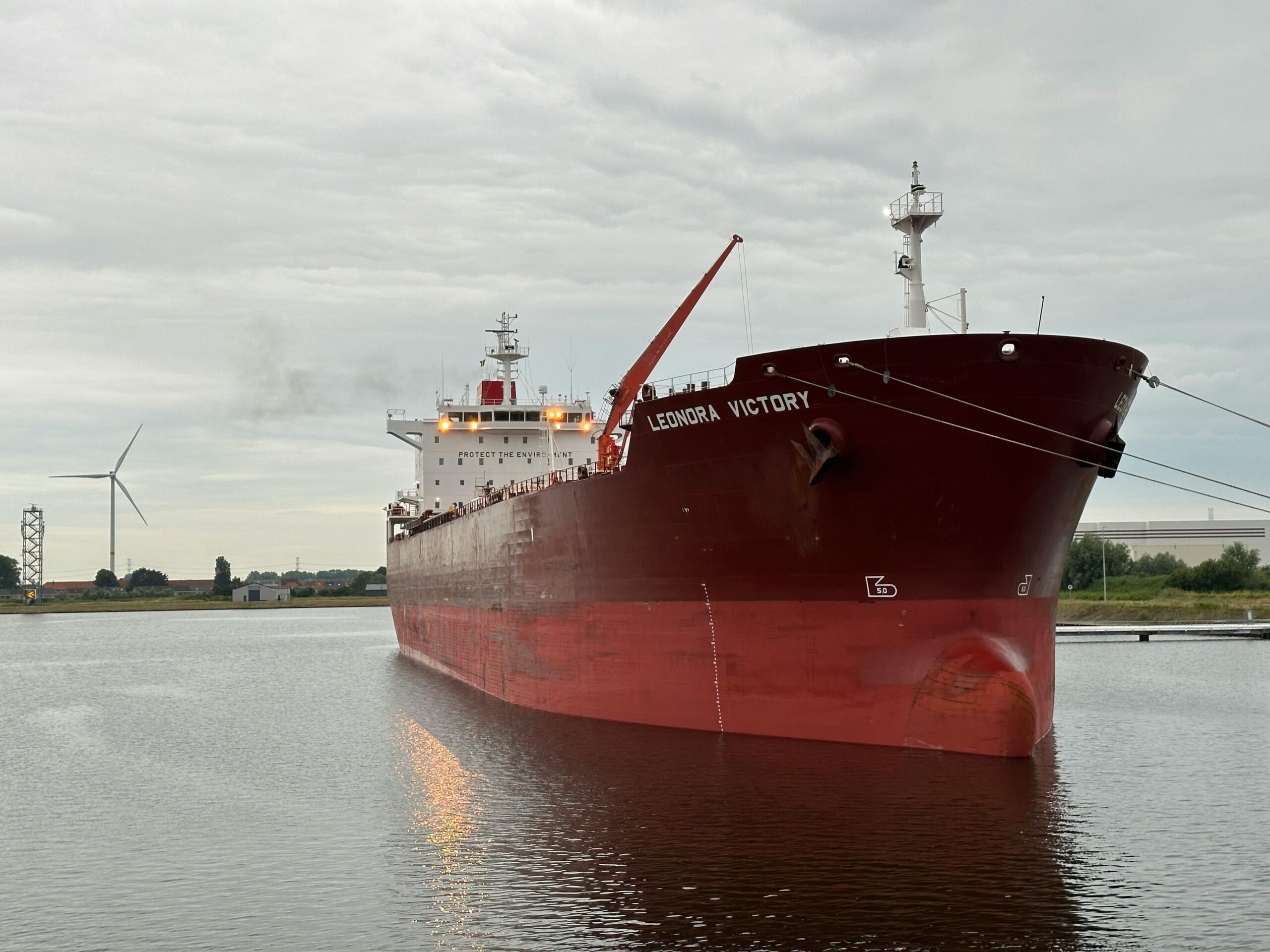
The shipping industry stands at a crossroads, facing pressure to dramatically reduce emissions while meeting growing demand for maritime transport. Innovation in vessel design, propulsion systems, and operational practices offers pathways toward carbon-neutral shipping within coming decades.
Alternative fuel technologies are rapidly advancing, with liquefied natural gas, hydrogen, ammonia, and biofuels emerging as viable replacements for traditional heavy fuel oil. Several major shipping companies have already commissioned vessels powered by these cleaner alternatives, demonstrating technical feasibility at commercial scale.
Wind-assisted propulsion represents another promising avenue, with modern interpretations of sail technology including rotor sails, wing sails, and kite systems. These technologies can reduce fuel consumption by 10-30% depending on routes and conditions, delivering both environmental and economic benefits.
Digital Innovation Driving Efficiency
Digital technologies play crucial roles in optimizing maritime operations for sustainability. Advanced weather routing algorithms help vessels navigate the most fuel-efficient paths, while predictive maintenance systems prevent breakdowns that could cause environmental incidents. Real-time monitoring of engine performance enables immediate adjustments that minimize emissions and fuel consumption.
Blockchain-based systems are improving supply chain transparency, allowing consumers and regulators to verify the environmental credentials of transported goods. This transparency creates market incentives for cleaner shipping practices, accelerating the industry’s transformation toward sustainability.
Offshore Renewable Energy: Powering the Future from Ocean Resources
Offshore wind farms have evolved from experimental installations to mainstream energy infrastructure, with projects now generating gigawatts of clean electricity across Europe, Asia, and increasingly North America. These installations demonstrate that marine infrastructure can actively contribute to environmental solutions rather than problems.
Floating wind turbine technology extends renewable energy potential into deeper waters, opening vast ocean areas for clean energy generation. Countries like Scotland, Norway, and Japan are pioneering floating wind farms that could eventually supply significant portions of national electricity demand.
Wave and tidal energy technologies, though less mature than offshore wind, show tremendous promise for predictable, renewable power generation. Unlike solar and wind, tidal energy offers exceptional reliability due to the predictable nature of tidal movements, making it valuable for grid stability.
Environmental Considerations in Offshore Energy Development
Responsible offshore renewable energy development requires careful environmental assessment and ongoing monitoring. Potential impacts on marine mammals, seabirds, and fish populations must be thoroughly studied and mitigated through appropriate siting, construction timing, and operational protocols.
Interestingly, offshore wind farms can create artificial reef effects, with turbine foundations providing substrate for marine organisms and restricted zones offering de facto marine protected areas where fishing is prohibited. This demonstrates how well-designed marine infrastructure can deliver multiple ecosystem benefits beyond primary functions.
🐠 Nature-Based Solutions: Working With Ocean Ecosystems
The most innovative marine infrastructure projects increasingly incorporate nature-based solutions that harness ecosystem services rather than fighting against natural processes. Blue carbon projects that restore mangroves, salt marshes, and seagrass beds sequester atmospheric carbon while providing storm protection and habitat for commercially important species.
Living shorelines use natural materials like oyster shells, plants, and sand to stabilize coastlines more effectively and sustainably than traditional concrete seawalls. These approaches maintain natural sediment transport processes, provide habitat, improve water quality, and adapt more gracefully to sea level rise.
Artificial reef projects using purpose-designed structures or carefully prepared decommissioned materials create habitat while potentially supporting recreational diving and fishing industries. These initiatives transform potential waste streams into ecosystem assets, exemplifying circular economy principles in marine contexts.
Innovative Materials and Construction Techniques
The materials used in marine construction significantly impact environmental outcomes. Traditional concrete production generates substantial carbon emissions, prompting research into low-carbon alternatives including geopolymer concretes, bio-based materials, and recycled aggregates.
Several companies now produce carbon-negative concrete that actually absorbs CO2 during curing, potentially transforming marine construction from carbon source to carbon sink. When deployed at scale, such innovations could dramatically reduce the climate impact of coastal and offshore infrastructure development.
Biofouling-resistant coatings traditionally relied on toxic compounds that leached into marine environments, harming non-target organisms. New biomimetic coatings inspired by shark skin and other natural surfaces prevent organism attachment without chemical toxicity, protecting vessel hulls and infrastructure while preserving water quality.
🔬 Smart Monitoring Systems for Ocean Health
Understanding environmental impacts requires comprehensive monitoring capabilities. Modern marine infrastructure increasingly incorporates sophisticated sensor networks that continuously measure water quality, noise levels, marine mammal presence, and other environmental parameters.
These monitoring systems generate valuable data for adaptive management, allowing operators to modify activities in response to environmental conditions. For example, vessels can reduce speed or alter courses when whales are detected nearby, significantly reducing collision risks.
Artificial intelligence and machine learning algorithms process vast monitoring datasets to identify patterns, predict problems, and optimize operations for environmental outcomes. This intelligence enables proactive rather than reactive environmental management, preventing issues before they escalate into serious problems.
Policy Frameworks Driving Sustainable Transformation
Effective policy frameworks provide essential foundations for sustainable marine infrastructure development. International regulations through the International Maritime Organization increasingly mandate emissions reductions, with targets for 50% reduction by 2050 compared to 2008 levels.
Carbon pricing mechanisms create economic incentives for cleaner technologies and operations. The European Union’s inclusion of shipping in its Emissions Trading System represents a significant policy development that will accelerate industry transformation toward sustainability.
National and regional policies complement international frameworks, with jurisdictions competing to become hubs for green maritime technology development and deployment. This policy competition accelerates innovation and drives down costs for sustainable solutions.
Financing the Transition
Transforming global marine infrastructure requires substantial investment, estimated in trillions of dollars over coming decades. Green financing mechanisms including sustainability-linked loans, green bonds, and blended finance structures increasingly channel capital toward environmentally positive projects.
Development banks and multilateral institutions play crucial roles in de-risking innovative projects and supporting developing nations in leapfrogging to sustainable infrastructure rather than replicating polluting models. This financial architecture determines whether the marine infrastructure transformation proceeds rapidly enough to address urgent environmental challenges.
🌍 Global Collaboration and Knowledge Sharing
Ocean sustainability transcends national boundaries, requiring unprecedented international collaboration. Research networks, industry consortia, and intergovernmental organizations facilitate knowledge sharing that accelerates solution development and deployment worldwide.
Successful pilot projects in one region provide blueprints for adaptation elsewhere, while collaborative research initiatives pool resources to tackle challenges beyond individual organizations’ capacities. This collaborative approach maximizes return on investment in innovation and prevents redundant efforts.
Developing nations benefit particularly from knowledge transfer and capacity building programs that enable participation in the sustainable marine infrastructure transformation. Ensuring equitable access to clean technologies and best practices creates more resilient global ocean governance.
Community Engagement and Social Dimensions
Sustainable marine infrastructure must serve human communities while protecting ecosystems. Coastal populations, fishing communities, and indigenous peoples possess invaluable traditional knowledge and legitimate interests in how marine spaces are developed and managed.
Participatory planning processes that meaningfully engage stakeholders from project inception through implementation yield better environmental and social outcomes. These inclusive approaches identify potential conflicts early, incorporate local knowledge, and build support for necessary transformations.
Job creation in green maritime sectors offers economic opportunities that can ease transitions away from polluting industries. Training programs and workforce development initiatives ensure that people currently employed in conventional maritime sectors can participate in and benefit from the transformation toward sustainability.
Emerging Technologies Shaping Tomorrow’s Ocean Infrastructure
Autonomous vessels promise efficiency improvements and emissions reductions through optimized routing and operations without limitations of human crew schedules. Several companies are developing and testing autonomous cargo ships, harbor vessels, and oceanographic research platforms.
Advanced materials including graphene composites, self-healing materials, and bio-inspired designs will enable lighter, stronger, longer-lasting infrastructure with reduced environmental footprints. These materials science advances translate directly into more sustainable marine construction and operations.
Ocean-based carbon dioxide removal technologies represent frontier innovations that could transform marine infrastructure into active climate solutions. Approaches including artificial upwelling, electrochemical processes, and enhanced biological productivity are progressing from laboratory concepts toward practical deployment.
⚡ The Path Forward: Integrated Approaches for Maximum Impact
Achieving truly sustainable seas requires integrated approaches that address multiple challenges simultaneously. Isolated improvements, while valuable, cannot deliver the systemic transformation necessary to reverse ocean degradation and adapt to climate change impacts.
Spatial marine planning frameworks that designate areas for different uses—renewable energy, shipping lanes, conservation, fishing—maximize compatibility between activities while protecting critical habitats. These comprehensive approaches prevent conflicts and ensure efficient use of ocean space.
Circular economy principles applied to marine contexts minimize waste, maximize resource efficiency, and design infrastructure for disassembly and recycling at end of life. This systems thinking transforms linear “take-make-waste” models into regenerative cycles that restore rather than deplete natural capital.
Measuring Success: Indicators and Accountability
Clear metrics enable tracking progress toward sustainable ocean futures. Key performance indicators should encompass emissions reductions, biodiversity improvements, water quality enhancements, and socioeconomic benefits for coastal communities.
Transparent reporting mechanisms hold developers, operators, and regulators accountable for environmental commitments. Third-party verification, public databases, and standardized reporting frameworks prevent greenwashing while highlighting genuine achievements that deserve recognition and replication.
Long-term monitoring programs assess whether infrastructure delivers promised environmental benefits across project lifecycles. Adaptive management frameworks enable course corrections when monitoring reveals unexpected impacts or opportunities for improvement.
🚀 Catalyzing the Transformation We Need
The technical solutions, financing mechanisms, and policy frameworks necessary for sustainable marine infrastructure largely exist today. The primary challenge lies not in capability but in will—the collective determination to prioritize long-term ocean health over short-term convenience and conventional practices.
First movers in sustainable marine infrastructure gain competitive advantages as environmental standards tighten and stakeholder expectations evolve. Companies, ports, and nations embracing this transformation position themselves as leaders in the inevitable shift toward ocean sustainability.
Individual actions matter too. Consumer choices, investment decisions, and political engagement collectively shape markets and policies that either accelerate or impede the transition toward sustainable seas. Each person can contribute to building momentum for the transformations our oceans desperately need.
Envisioning Our Ocean Future
The sustainable marine infrastructure transformation represents one of humanity’s great challenges and opportunities. Success would mean oceans that support thriving ecosystems, provide reliable clean energy, enable zero-emission transportation, and sustain coastal communities for generations to come.
This vision is achievable with sustained commitment, adequate resources, and collaborative action across sectors and borders. The technologies and approaches outlined here demonstrate that environmental protection and economic prosperity can advance together rather than in opposition.
Our generation faces a unique responsibility and opportunity to fundamentally reshape humanity’s relationship with the oceans. The decisions and investments made today will determine whether future generations inherit depleted seas or vibrant marine ecosystems supporting both nature and human wellbeing. The transformation toward sustainable marine infrastructure is not merely possible—it is essential, urgent, and already underway.