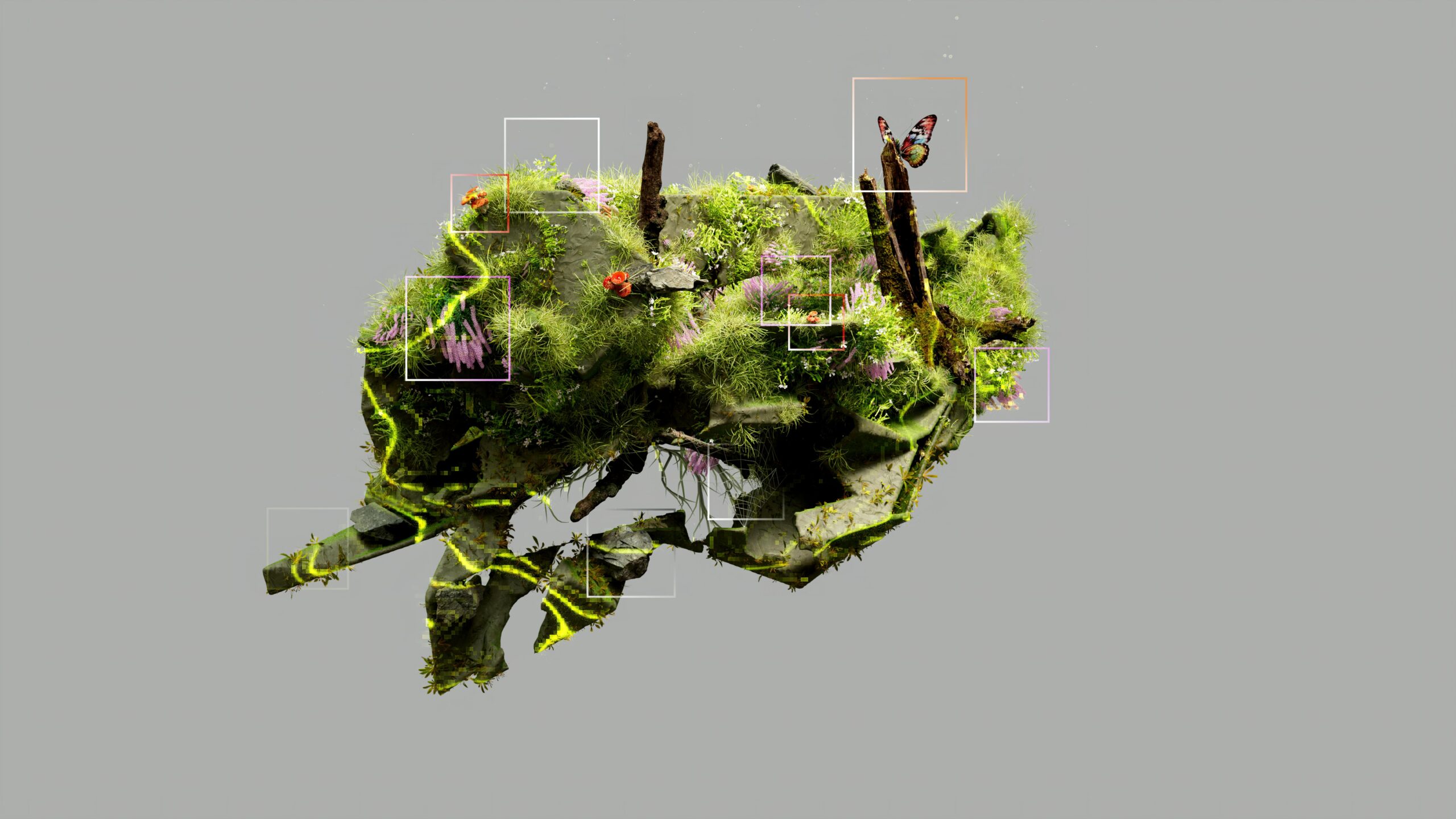
The intersection of technology and environmental stewardship has created unprecedented opportunities for protecting our planet. Data-driven conservation models are transforming how we approach ecological challenges in the 21st century.

As climate change accelerates and biodiversity loss reaches critical levels, traditional conservation methods alone can no longer meet the scale of environmental challenges we face. The integration of big data analytics, artificial intelligence, and remote sensing technologies is revolutionizing how scientists, policymakers, and conservationists monitor ecosystems, predict environmental threats, and implement targeted protection strategies. This technological revolution in environmental protection represents not just an incremental improvement but a fundamental shift in our capacity to understand and preserve the natural world for future generations.
🌍 The Foundation of Data-Driven Conservation
Data-driven conservation represents a paradigm shift from reactive environmental management to proactive, evidence-based ecosystem protection. By leveraging vast amounts of environmental data collected through satellites, sensors, cameras, and citizen science initiatives, conservation professionals can now make informed decisions with unprecedented accuracy and speed.
The foundation of this approach rests on three critical pillars: data collection, advanced analytics, and actionable insights. Modern conservation efforts generate terabytes of information daily, ranging from satellite imagery tracking deforestation to acoustic sensors monitoring wildlife populations. This data, when properly analyzed, reveals patterns and trends that would be impossible to detect through traditional observation methods alone.
Machine learning algorithms can process this information at scales and speeds that human analysts could never achieve, identifying subtle environmental changes before they become irreversible crises. These technologies enable conservationists to allocate limited resources more effectively, focusing interventions where they will have the greatest impact on ecosystem health and species survival.
Advanced Technologies Transforming Environmental Monitoring
Remote sensing technology has become the backbone of modern conservation efforts. High-resolution satellite imagery combined with aerial drone surveillance provides comprehensive, real-time monitoring of vast territories that would be impossible to patrol through ground-based methods. These technologies allow researchers to track deforestation rates, monitor illegal mining operations, observe wildlife migration patterns, and assess the health of coral reefs from space.
Artificial intelligence and machine learning algorithms enhance these monitoring capabilities by automatically analyzing visual data to identify specific environmental changes. Computer vision systems can detect individual animals in drone footage, count tree species in forest inventories, and identify plastic pollution in ocean imagery with remarkable accuracy.
Internet of Things (IoT) Sensors in Ecosystem Management
The proliferation of IoT sensors has created networks of environmental monitoring stations that provide continuous, real-time data on ecosystem conditions. These devices measure everything from soil moisture and temperature to air quality and water chemistry, creating comprehensive environmental profiles that inform conservation strategies.
Acoustic monitoring systems record wildlife sounds across vast landscapes, using AI to identify species presence and population health based on vocalizations. Camera traps equipped with edge computing capabilities can identify and count animals on-site, immediately alerting researchers to rare species sightings or potential poaching threats.
📊 Predictive Analytics for Proactive Conservation
Perhaps the most revolutionary aspect of data-driven conservation is its predictive capability. By analyzing historical data patterns and current environmental conditions, sophisticated models can forecast future ecological changes with increasing accuracy. This predictive power enables conservationists to intervene before ecosystems reach critical tipping points.
Climate models integrate atmospheric data, ocean temperatures, and land use patterns to predict how specific ecosystems will respond to changing conditions. These predictions inform habitat corridor planning, species translocation programs, and climate adaptation strategies that help vulnerable ecosystems and species survive in a changing world.
Predictive analytics also play a crucial role in combating environmental crimes. By analyzing patterns of illegal activity such as poaching, logging, or fishing, algorithms can predict where and when these crimes are most likely to occur, allowing law enforcement to deploy resources strategically and prevent environmental damage before it happens.
Real-World Applications Delivering Measurable Results
The theoretical promise of data-driven conservation has been validated through numerous successful real-world applications across diverse ecosystems and conservation challenges. These case studies demonstrate the tangible benefits of integrating advanced analytics into environmental protection efforts.
Wildlife Protection and Anti-Poaching Initiatives 🐘
In African elephant conservation, predictive algorithms analyze poaching patterns, ranger patrol routes, and environmental factors to create heat maps indicating high-risk areas. Conservation organizations use these insights to optimize patrol strategies, resulting in significant reductions in poaching incidents. Some protected areas have reported up to 70% decreases in illegal wildlife killings after implementing data-driven patrol management systems.
GPS collar data combined with machine learning enables researchers to understand animal movement patterns at unprecedented detail, identifying critical habitats, migration corridors, and human-wildlife conflict zones. This information guides the establishment of protected areas and wildlife corridors that effectively preserve species while minimizing conflicts with human populations.
Ocean Conservation and Marine Protected Areas
Marine ecosystems benefit tremendously from data-driven conservation approaches. Satellite tracking of fishing vessels combined with vessel monitoring systems and AI analysis has revolutionized the enforcement of marine protected areas. Authorities can now detect illegal fishing activities in real-time and respond immediately, significantly improving compliance with fishing regulations.
Underwater acoustic sensors and computer vision systems monitor coral reef health, detecting bleaching events early enough to trigger interventions that can save vulnerable reefs. Machine learning models predict coral bleaching events based on water temperature trends, allowing marine park managers to implement protective measures before thermal stress becomes lethal.
🌲 Forest Conservation in the Digital Age
Deforestation remains one of the most pressing environmental challenges globally, but data-driven monitoring has dramatically improved our ability to combat this threat. Near real-time satellite imagery analysis using AI can detect illegal logging activities within days or even hours of occurrence, compared to months or years with traditional monitoring methods.
Cloud-based platforms integrate multiple data sources including satellite imagery, weather data, and fire detection systems to provide comprehensive forest monitoring. These systems alert authorities to deforestation hotspots, enabling rapid response that can prevent further damage and facilitate law enforcement action against illegal operators.
Carbon sequestration monitoring through remote sensing and ground-based sensors provides accurate measurement of forests’ role in climate change mitigation. This data supports REDD+ programs and carbon credit markets, creating economic incentives for forest conservation that complement regulatory approaches.
Community-Powered Conservation Through Citizen Science
Data-driven conservation democratizes environmental protection by enabling citizen participation at unprecedented scales. Mobile applications allow ordinary citizens to contribute valuable environmental observations, from wildlife sightings to pollution reports, that feed into conservation databases and inform management decisions.
These crowdsourced data platforms multiply the observation capacity of conservation organizations exponentially. Millions of citizen scientists worldwide contribute observations that would be impossible for professional researchers to collect alone, providing comprehensive spatial and temporal coverage of species distributions and environmental conditions.
Gamification elements and social features in citizen science applications increase engagement and data quality, creating communities of conservation-minded individuals who actively contribute to environmental protection while learning about ecosystems and species in their regions.
💡 Integration of Multiple Data Sources for Holistic Understanding
The true power of data-driven conservation emerges when multiple data sources are integrated into comprehensive analytical frameworks. By combining satellite imagery, ground sensors, climate data, socioeconomic information, and biological surveys, researchers create multidimensional models that capture the complexity of environmental systems.
These integrated approaches reveal connections between environmental factors that might not be apparent when examining single data streams. For example, combining land use data with water quality measurements and wildlife population trends can identify how agricultural practices impact aquatic ecosystems and downstream biodiversity, informing policy interventions that address root causes rather than symptoms.
Cloud computing platforms and standardized data formats facilitate this integration, allowing researchers worldwide to share and analyze environmental data collaboratively. Open data initiatives make conservation data accessible to researchers, policymakers, and the public, accelerating innovation and ensuring transparency in environmental decision-making.
Overcoming Challenges and Limitations
Despite its transformative potential, data-driven conservation faces significant challenges that must be addressed to realize its full promise. Data quality and consistency remain critical concerns, as environmental data comes from diverse sources with varying standards and reliability. Establishing protocols for data validation, standardization, and integration is essential for ensuring that conservation decisions rest on solid foundations.
The digital divide creates disparities in conservation capacity between well-resourced organizations and those working in developing regions where technological infrastructure may be limited. Addressing this gap requires investment in capacity building, technology transfer, and development of solutions appropriate for resource-constrained contexts.
Privacy and Ethical Considerations
The collection and sharing of environmental data raise important privacy and ethical questions, particularly when monitoring involves local communities or reveals locations of endangered species. Balancing transparency in conservation with the need to protect sensitive information from poachers or other bad actors requires careful consideration and robust data security protocols.
Indigenous peoples and local communities must be meaningful partners in data-driven conservation initiatives, with their traditional ecological knowledge integrated alongside technological approaches. Ensuring that these communities benefit from conservation programs and maintain sovereignty over their lands and resources is essential for ethical and effective conservation.
🚀 Future Directions and Emerging Technologies
The evolution of data-driven conservation continues to accelerate as new technologies emerge and existing tools become more sophisticated. Quantum computing promises to revolutionize environmental modeling by processing complex ecological simulations that are currently impossible with classical computers, enabling more accurate predictions of ecosystem responses to climate change and management interventions.
Blockchain technology offers potential solutions for transparent tracking of conservation financing, carbon credits, and supply chains for sustainable products. These applications could increase accountability and reduce fraud in environmental markets, channeling more resources toward genuine conservation outcomes.
Advances in environmental DNA (eDNA) analysis combined with rapid sequencing technologies and machine learning will enable comprehensive biodiversity assessments through water, soil, or air samples. This approach could revolutionize ecosystem monitoring by detecting species presence without direct observation, dramatically reducing survey costs and expanding coverage.
Policy Frameworks Supporting Data-Driven Conservation
Realizing the full potential of data-driven conservation requires supportive policy frameworks that encourage data sharing, establish standards, and ensure resources flow toward effective interventions. Governments must invest in environmental monitoring infrastructure, from satellite systems to ground sensor networks, recognizing these as essential public goods supporting evidence-based environmental management.
International cooperation on environmental data standards and sharing protocols enables cross-border conservation efforts essential for protecting migratory species and transboundary ecosystems. Treaties and agreements that mandate environmental monitoring and reporting create accountability while generating the data necessary for effective conservation planning.
Regulatory frameworks must evolve to address new challenges and opportunities created by conservation technologies, from drone regulations that balance innovation with privacy concerns to guidelines for AI systems making or informing environmental decisions.
Building Capacity for Sustainable Implementation 🎓
Human capacity development represents a critical bottleneck in scaling data-driven conservation. Training programs must equip conservation professionals with skills in data science, remote sensing, GIS analysis, and computational ecology alongside traditional ecological knowledge. Universities and conservation organizations are developing interdisciplinary curricula that prepare the next generation of conservationists for this data-rich environment.
Partnerships between technology companies, academic institutions, and conservation organizations accelerate innovation and knowledge transfer. These collaborations bring cutting-edge technologies and analytical approaches into conservation applications while ensuring that technological development addresses real-world conservation needs.
Economic Models for Sustainable Conservation Technology
Long-term sustainability of data-driven conservation requires viable economic models that support ongoing technology development, maintenance, and deployment. Blended financing approaches combine public investment, philanthropic support, and market-based mechanisms to fund conservation technology at scale.
Payment for ecosystem services programs increasingly rely on data-driven monitoring to verify conservation outcomes, creating economic incentives for landowners to protect natural habitats. Remote sensing and AI enable cost-effective verification of these programs, reducing transaction costs and enabling expansion to new regions and ecosystems.
The emergence of conservation technology startups and social enterprises creates market-driven innovation in environmental monitoring and protection tools. Supporting this ecosystem through impact investment, incubators, and procurement policies can accelerate the development and deployment of effective conservation technologies.

🌟 Empowering Action Through Accessible Technology
Making conservation technology accessible to diverse users from professional researchers to community groups and individual citizens multiplies its impact. User-friendly platforms that don’t require advanced technical expertise enable broader participation in data-driven conservation, democratizing environmental protection and fostering environmental stewardship across society.
Mobile technology places powerful conservation tools in the hands of millions, enabling everyone to contribute to environmental monitoring and protection. From reporting environmental violations to participating in species surveys, these accessible technologies transform passive environmental concern into active conservation engagement.
The revolution in environmental protection through data-driven conservation models represents one of humanity’s best hopes for creating a sustainable future. By harnessing the power of big data, artificial intelligence, and advanced monitoring technologies, we can protect ecosystems and species with unprecedented effectiveness and efficiency. Success requires continued innovation, supportive policies, adequate investment, and broad participation across governments, organizations, communities, and individuals. The tools are emerging; the challenge now is to deploy them at the scale and speed necessary to address the environmental crises of our time. Through data-driven approaches, we can move from simply reacting to environmental degradation toward proactively building resilient ecosystems that sustain both nature and human societies for generations to come.