The ocean’s vast blue expanse holds tremendous potential for feeding our growing global population while preserving environmental integrity. As wild fish stocks decline and traditional fishing methods strain marine ecosystems, ethical aquaculture emerges as a beacon of hope.

Sustainable aquaculture represents more than just fish farming—it embodies a comprehensive approach to food production that respects ecological boundaries, supports coastal communities, and delivers nutritious protein to billions. The journey toward truly sustainable seas requires innovation, commitment, and a fundamental shift in how we cultivate marine resources for future generations.
🌊 Understanding the Urgent Need for Ethical Aquaculture
Our planet’s oceans face unprecedented challenges. Overfishing has depleted approximately 90% of large predatory fish populations, while climate change alters marine habitats at alarming rates. Meanwhile, global seafood consumption continues rising, with per capita consumption reaching 20.5 kilograms annually according to recent FAO statistics.
Traditional capture fisheries cannot meet this growing demand sustainably. Aquaculture already provides over half of all seafood consumed worldwide, making it essential that these operations embrace ethical practices. The question is no longer whether we need aquaculture, but rather how we can develop systems that nourish humanity without compromising ocean health.
Conventional aquaculture operations have historically contributed to environmental degradation through water pollution, habitat destruction, disease transmission to wild populations, and unsustainable feed practices. These challenges demand immediate attention and innovative solutions that balance productivity with planetary stewardship.
Core Principles of Sustainable Marine Farming
Ethical aquaculture rests on several foundational principles that guide responsible operations. These principles create a framework for farms seeking to minimize environmental impact while maximizing social and economic benefits.
Environmental Stewardship and Ecosystem Protection
Sustainable aquaculture operations prioritize ecosystem health above short-term profits. This means selecting farm locations that minimize impact on sensitive habitats, implementing waste management systems that prevent pollution, and maintaining stocking densities that allow for natural behaviors and water quality maintenance.
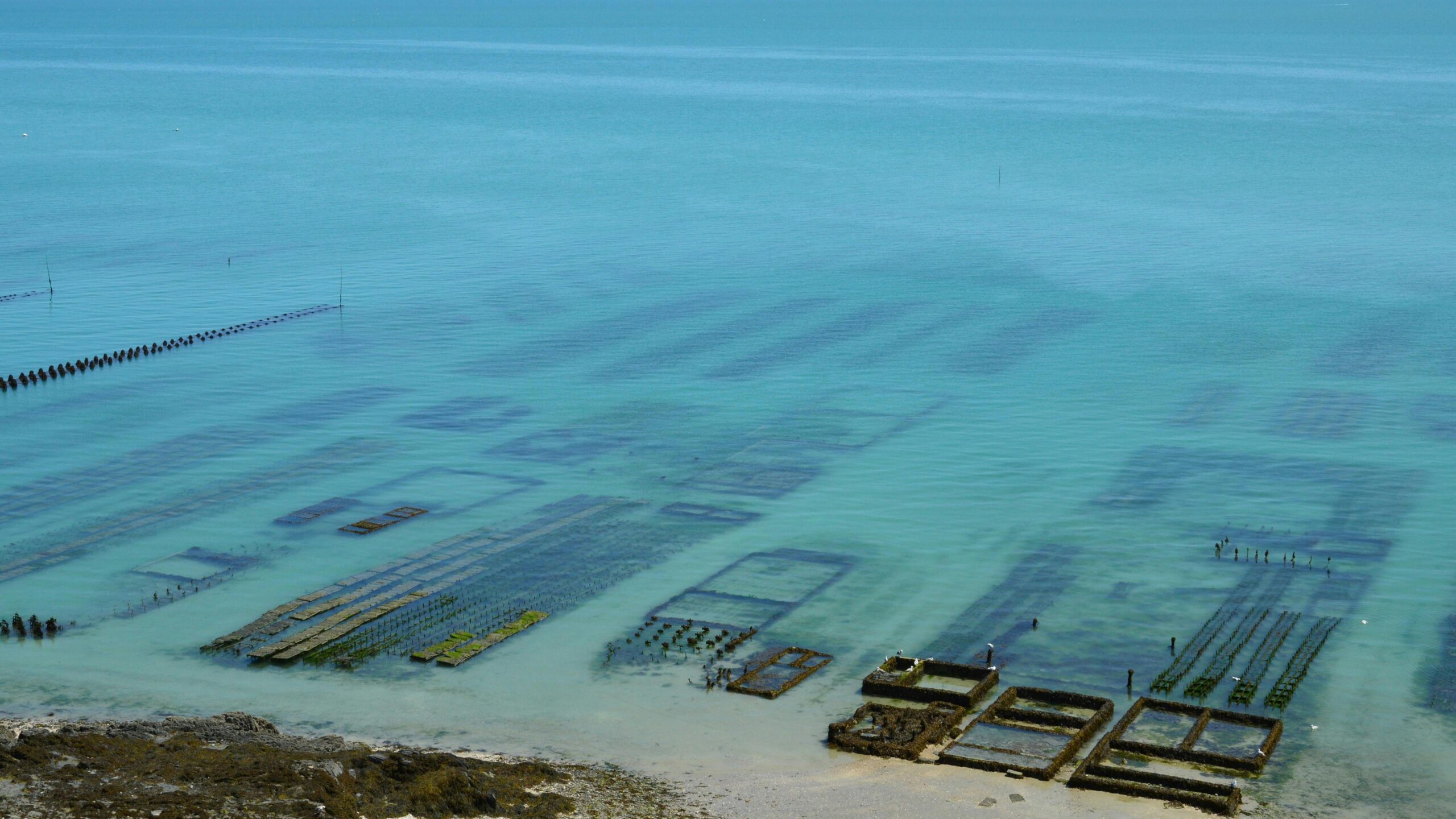
Progressive farms utilize integrated multi-trophic aquaculture (IMTA) systems where different species are cultivated together. Shellfish and seaweed absorb excess nutrients from fish waste, creating closed-loop systems that mimic natural ecosystems. This approach transforms potential pollutants into valuable products while improving overall farm efficiency.
Feed Innovation and Resource Efficiency
Traditional aquaculture feeds often contain wild-caught fish meal and oil, creating a paradox where farming fish actually depletes wild populations. Ethical operations are pioneering alternative feed sources including insect protein, algae-based oils, agricultural byproducts, and specially developed plant proteins that meet nutritional requirements without relying on forage fish.
The feed conversion ratio (FCR) measures how efficiently farmed species convert feed into body mass. Modern sustainable operations achieve remarkably low FCRs through precision feeding technologies, optimal nutrition formulation, and species selection, significantly reducing the environmental footprint per kilogram of protein produced.
💡 Breakthrough Technologies Revolutionizing Aquaculture
Innovation drives the transformation toward sustainable aquaculture. Cutting-edge technologies enable farmers to monitor conditions in real-time, respond quickly to potential problems, and optimize every aspect of production for environmental and economic performance.
Smart Monitoring and Data Analytics
Modern aquaculture facilities deploy sophisticated sensor networks that continuously measure water quality parameters including dissolved oxygen, temperature, pH, and ammonia levels. Artificial intelligence algorithms analyze this data to predict optimal feeding times, detect early signs of disease, and automate environmental controls.
These technologies reduce waste, prevent overfeeding, minimize chemical treatments, and allow farmers to maintain optimal conditions with unprecedented precision. The result is healthier fish, reduced environmental impact, and improved profitability—a true win-win-win scenario.
Recirculating Aquaculture Systems
Recirculating aquaculture systems (RAS) represent perhaps the most significant technological advancement in sustainable fish farming. These land-based facilities recycle up to 99% of water through sophisticated filtration systems, virtually eliminating water pollution and disease transmission risks to wild populations.
RAS facilities can be located near urban centers, reducing transportation emissions and ensuring fresh product delivery. They operate independently of natural water bodies, protecting sensitive coastal ecosystems while providing complete environmental control regardless of external climate conditions.
Species Selection and Biodiversity Considerations
Choosing appropriate species for cultivation significantly impacts sustainability outcomes. Ethical aquaculture prioritizes species with favorable environmental profiles, strong market demand, and compatibility with sustainable production methods.
Herbivorous and omnivorous species like tilapia, catfish, and carp require less protein-rich feed than carnivorous species, reducing pressure on wild fish stocks. Bivalve mollusks including oysters, mussels, and clams actually improve water quality by filtering phytoplankton, making them exceptionally sustainable choices that deliver ecosystem services while producing nutritious food.
Seaweed cultivation deserves special recognition as perhaps the most sustainable form of aquaculture. Seaweed requires no feed, no freshwater, and no fertilizer while actively removing carbon dioxide and excess nutrients from surrounding waters. It provides valuable products from food to biofuels, representing a truly regenerative farming approach.
🌱 Social Responsibility and Community Development
Sustainable aquaculture extends beyond environmental concerns to encompass social equity and community wellbeing. Ethical operations recognize their responsibility to support local communities, provide fair employment, and preserve cultural traditions associated with marine resource use.
Fair Labor Practices and Worker Welfare
The aquaculture industry has faced criticism regarding labor conditions in some regions. Pioneering ethical farms implement comprehensive worker protection policies including fair wages, safe working conditions, reasonable hours, and opportunities for skill development and advancement.
Transparent supply chains with third-party certification help consumers identify products from operations that respect human rights. Organizations like the Aquaculture Stewardship Council and Fair Trade USA establish standards that address both environmental and social criteria.
Supporting Coastal Communities
Well-designed aquaculture projects can revitalize coastal economies by providing stable employment, supporting local businesses, and creating opportunities for value-added processing. Small-scale and community-based aquaculture initiatives particularly benefit regions with limited economic alternatives, offering pathways out of poverty while maintaining cultural connections to marine resources.
Successful programs involve communities in planning and decision-making processes, ensuring that development aligns with local values and priorities. This participatory approach builds social license and creates shared ownership of sustainability outcomes.
Certification Systems and Consumer Empowerment
Third-party certification programs play crucial roles in distinguishing sustainable aquaculture products from conventional alternatives. These systems establish rigorous standards, conduct independent audits, and provide transparent information that empowers consumers to make informed choices.
Major certification programs include:
- Aquaculture Stewardship Council (ASC) – Comprehensive standards covering environmental and social impacts
- Best Aquaculture Practices (BAP) – Four-star certification addressing the entire production chain
- Global Seafood Assurance (GSA) – Focuses on product safety, environmental responsibility, and social accountability
- Organic certifications – Various national and international standards for organic aquaculture practices
These labels help conscientious consumers vote with their wallets, creating market incentives that reward sustainable operations and encourage industry-wide improvement. As consumer awareness grows, certified sustainable seafood increasingly commands premium prices that justify investments in ethical practices.
🔬 Research and Continuous Improvement
The path toward fully sustainable aquaculture requires ongoing research, experimentation, and knowledge sharing. Universities, government agencies, NGOs, and forward-thinking companies collaborate to address remaining challenges and develop next-generation solutions.
Genetic Improvement and Selective Breeding
Selective breeding programs develop fish strains with improved growth rates, disease resistance, and feed efficiency. Unlike genetic modification, these traditional breeding approaches work within natural variation to enhance desirable traits over multiple generations.
Such improvements allow farmers to produce more food with fewer resources and reduced environmental impact. Disease-resistant strains particularly benefit sustainability by reducing reliance on antibiotics and chemicals while improving animal welfare and production reliability.
Alternative Protein Sources and Novel Feeds
Researchers continuously explore innovative feed ingredients that reduce dependence on wild fish stocks. Promising developments include single-cell proteins from bacteria and yeast, insect meals from black soldier fly larvae, and genetically enhanced plants producing omega-3 fatty acids traditionally sourced from fish oil.
These alternatives must meet stringent nutritional requirements while remaining economically viable and acceptable to fish, farmers, and consumers. Successful commercialization of these feeds will fundamentally transform aquaculture sustainability.
Policy Frameworks and Governance Structures
Effective regulation provides the foundation for sustainable aquaculture development. Governments worldwide are establishing comprehensive policy frameworks that balance economic development with environmental protection and social responsibility.
Successful policies incorporate spatial planning that designates appropriate areas for aquaculture while protecting sensitive ecosystems. They establish enforceable environmental standards, require environmental impact assessments for new facilities, and implement monitoring programs to ensure compliance.
International cooperation proves essential as seafood products cross borders freely. Harmonized standards, mutual recognition agreements, and coordinated enforcement prevent races to the bottom where producers relocate to jurisdictions with weaker regulations.
🌍 Climate Change Mitigation and Adaptation
Aquaculture both affects and is affected by climate change. Sustainable operations minimize their carbon footprint through renewable energy use, efficient operations, and thoughtful site selection that reduces transportation distances.
Certain aquaculture forms actively combat climate change. Seaweed farming sequesters significant carbon dioxide, while shellfish aquaculture helps buffer ocean acidification by removing dissolved carbon through shell formation. These regenerative practices offer hope for climate-positive food production.
Adaptation strategies prepare farms for changing conditions including rising temperatures, altered weather patterns, and increased storm intensity. Resilient operations diversify species portfolios, invest in robust infrastructure, and develop contingency plans that protect both production and ecosystems during extreme events.
Economic Viability and Investment Opportunities
Sustainability and profitability are not mutually exclusive—indeed, they increasingly go hand in hand. Efficient resource use reduces costs, premium prices reward certified sustainable products, and reduced disease and mortality improve financial performance.
Impact investors recognize sustainable aquaculture’s potential to generate both financial returns and positive environmental and social outcomes. Innovative financing mechanisms including blue bonds and sustainability-linked loans provide capital for operations meeting rigorous sustainability criteria.
The global sustainable seafood market continues expanding rapidly as consumers, retailers, and foodservice operators prioritize responsibly sourced products. This growing demand creates compelling business cases for transitioning to ethical practices and opportunities for new entrants built on sustainability principles from inception.
Looking Forward: The Next Decade of Progress
The coming years will prove critical for aquaculture sustainability. Industry leaders, policymakers, researchers, and civil society must work together to accelerate the transition toward truly ethical practices that can feed billions while healing rather than harming our oceans.
Emerging technologies including artificial intelligence, robotics, and biotechnology promise further improvements in efficiency and environmental performance. Offshore aquaculture ventures are exploring deeper waters less prone to conflicts with other uses while potentially offering better environmental outcomes.
Consumer education remains essential. As awareness grows regarding aquaculture’s importance and the distinctions between sustainable and conventional operations, market forces will increasingly reward responsible producers. Every seafood purchase represents a choice—an opportunity to support the kind of food system we want for future generations.
🐟 Taking Action for Sustainable Seas
Creating truly sustainable aquaculture requires participation from all stakeholders. Farmers can adopt best practices, invest in better technologies, and pursue certification. Policymakers can establish supportive regulatory frameworks with appropriate incentives and enforcement.
Consumers wield tremendous power through purchasing decisions. Choosing certified sustainable seafood, asking questions about sourcing, and being willing to pay fair prices for responsibly produced products sends clear market signals that drive industry transformation.
Researchers and educators advance knowledge and train the next generation of aquaculture professionals with sustainability embedded in their core competencies. NGOs provide independent oversight, develop standards, and advocate for continuous improvement.
The transition to ethical aquaculture represents one of the most important sustainability challenges and opportunities of our time. The ocean’s bounty can continue nourishing humanity indefinitely if we commit to farming practices that respect ecological limits, support thriving communities, and prioritize long-term stewardship over short-term extraction.
Sustainable seas are possible. The technologies exist, the knowledge is available, and the economic models work. What remains is collective will—the determination to demand better, invest wisely, and work collaboratively toward aquaculture systems that exemplify our highest values and aspirations for a healthier planet and more prosperous future for all.