
The future of agriculture and resource management hinges on our ability to adopt sustainable practices that protect our planet while meeting growing global demands. Innovative harvesting techniques are emerging as powerful tools in this transformation.

As climate change intensifies and natural resources become increasingly scarce, the agricultural sector faces unprecedented challenges. Traditional harvesting methods, while effective in the past, often contribute to soil degradation, water waste, and excessive carbon emissions. The shift toward sustainability isn’t just an environmental imperative—it’s an economic necessity that promises long-term viability for farming communities worldwide.
🌱 The Evolution of Sustainable Harvesting Practices
Sustainable harvesting represents a fundamental shift in how we approach food production and resource extraction. Unlike conventional methods that prioritize short-term yields, these innovative techniques focus on maintaining ecological balance while ensuring productivity for generations to come. The integration of technology, traditional knowledge, and environmental science has created a new paradigm in agricultural practices.
Modern sustainable harvesting encompasses various principles including minimal soil disturbance, reduced chemical inputs, water conservation, and biodiversity preservation. These practices recognize that healthy ecosystems are the foundation of productive agriculture. Farmers and researchers worldwide are discovering that working with nature rather than against it produces superior long-term results.
Understanding the Core Principles
At the heart of sustainable harvesting lies the concept of regenerative agriculture. This approach goes beyond simply sustaining resources—it actively improves them. Techniques such as crop rotation, cover cropping, and integrated pest management create synergies that enhance soil health, increase carbon sequestration, and reduce dependency on synthetic inputs.
The economic benefits of these practices are becoming increasingly apparent. While initial transitions may require investment, sustainable harvesting methods often reduce long-term costs through decreased input requirements, improved soil fertility, and enhanced resilience against climate variability. Farmers adopting these techniques report improved yields and better quality produce over time.
🚜 Precision Agriculture: Technology Meets Sustainability
Precision agriculture represents one of the most significant innovations in sustainable harvesting. By leveraging GPS technology, sensors, drones, and artificial intelligence, farmers can optimize every aspect of the harvesting process. This data-driven approach minimizes waste, reduces environmental impact, and maximizes efficiency.
Smart harvesting equipment equipped with sensors can detect crop maturity at individual plant levels, ensuring optimal harvest timing. This precision reduces post-harvest losses and improves product quality. Variable rate technology allows machines to adjust harvesting intensity based on real-time field conditions, preventing soil compaction and preserving delicate crop structures.
Drone Technology and Aerial Monitoring
Unmanned aerial vehicles have revolutionized farm management and harvesting operations. Drones equipped with multispectral cameras provide detailed crop health assessments, identifying areas requiring attention before visible problems emerge. This early detection system enables targeted interventions, reducing overall chemical usage and preventing crop losses.
Advanced imaging technology helps farmers create precise harvest maps, identifying the optimal sequence for harvesting different field sections. This strategic approach minimizes equipment passes, reduces fuel consumption, and decreases soil compaction. The data collected also informs future planting decisions, creating a continuous improvement cycle.
💧 Water-Smart Harvesting Innovations
Water scarcity represents one of agriculture’s most pressing challenges. Innovative harvesting techniques now incorporate sophisticated water management systems that dramatically reduce consumption while maintaining or improving yields. Drip irrigation systems timed to crop growth stages ensure plants receive precisely what they need when they need it.
Rainwater harvesting integrated with intelligent storage and distribution systems allows farms to capture and utilize precipitation more effectively. These systems often include filtration and treatment components, making collected water suitable for various agricultural applications. Some innovative farms have achieved near water-independence through comprehensive rainwater management strategies.
Hydroponic and Aquaponic Systems
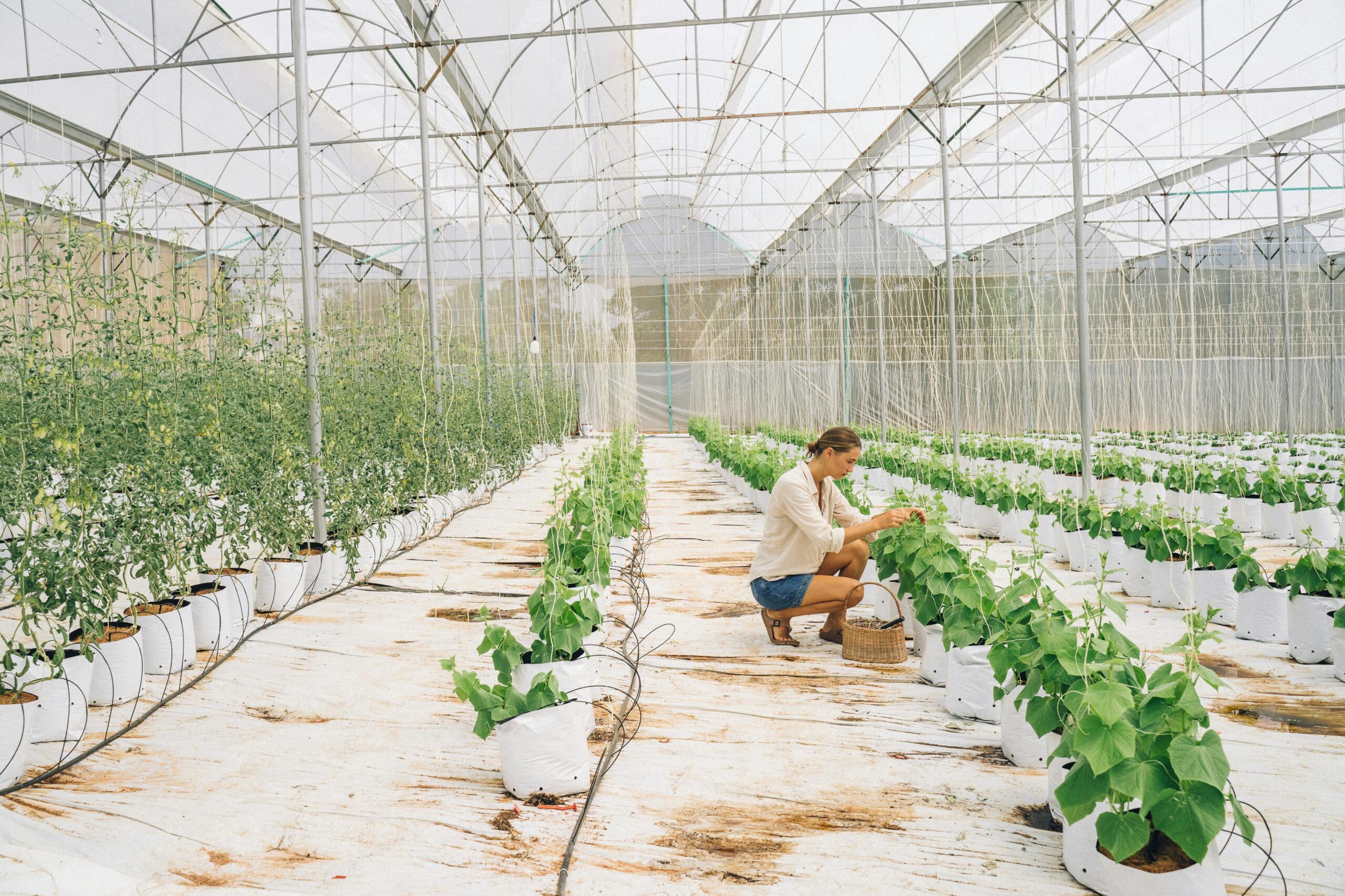
Soilless cultivation methods represent the cutting edge of water-efficient harvesting. Hydroponic systems use up to 90% less water than traditional agriculture while producing higher yields per square meter. These controlled environments eliminate many pests and diseases, reducing or eliminating pesticide requirements entirely.
Aquaponic systems take sustainability further by combining fish farming with plant cultivation. Fish waste provides nutrients for plants, while plants filter water for fish—creating a closed-loop ecosystem that produces both protein and vegetables with minimal external inputs. These systems demonstrate how innovative thinking can create synergies that benefit multiple production streams simultaneously.
🌾 Selective Harvesting and Crop Diversity
Modern sustainable harvesting emphasizes selectivity over mass extraction. Rather than harvesting entire fields simultaneously, selective techniques target only ripe produce, allowing remaining crops additional development time. This approach improves overall quality, reduces waste, and extends harvesting seasons, providing more consistent market supply.
Crop diversification strategies enhance sustainability by reducing pest pressures, improving soil health, and spreading economic risk. Intercropping and companion planting create beneficial relationships between species, often resulting in improved yields and reduced input requirements. These polyculture systems mimic natural ecosystems, promoting resilience and biodiversity.
Heritage and Heirloom Varieties
The revival of traditional crop varieties contributes significantly to sustainable agriculture. Heritage seeds often possess superior drought tolerance, pest resistance, and nutritional profiles compared to modern hybrids. These varieties represent centuries of natural selection and adaptation to local conditions, offering genetic diversity crucial for long-term agricultural resilience.
Seed saving and sharing networks preserve this invaluable genetic heritage while reducing dependency on commercial seed suppliers. Many sustainable farmers participate in seed exchange programs, maintaining diverse collections that serve as insurance against crop failures and changing climate conditions.
🔄 Circular Economy in Agricultural Harvesting
Sustainable harvesting extends beyond the field to encompass entire production cycles. The circular economy model eliminates waste by ensuring all harvest byproducts serve useful purposes. Crop residues become animal feed, compost, or bioenergy feedstock rather than waste requiring disposal.
Integrated farm systems create closed loops where outputs from one process become inputs for another. Livestock manure fertilizes crops, crop waste feeds animals, and everything contributes to soil building. This holistic approach maximizes resource efficiency while minimizing environmental impact.
Composting and Organic Matter Management
Advanced composting techniques transform harvest residues into valuable soil amendments. Hot composting, vermicomposting, and bokashi methods accelerate decomposition while preserving nutrients. The resulting compost improves soil structure, water retention, and microbial activity—creating conditions for healthier, more productive crops.
Some innovative farms use harvest waste to cultivate specialty mushrooms, which themselves become valuable crops while accelerating decomposition of agricultural residues. This layered approach to resource utilization demonstrates how creative thinking can multiply the value extracted from every harvest cycle.
🤖 Robotics and Automation in Sustainable Harvesting
Agricultural robotics are transforming harvesting operations, bringing unprecedented precision and efficiency. Autonomous harvesting machines equipped with computer vision can identify ripe produce, assess quality, and harvest with minimal damage. These robots work continuously, optimizing harvest timing and reducing labor shortages that often plague agricultural sectors.
Soft robotics technology enables gentle handling of delicate fruits and vegetables, reducing bruising and waste. Machine learning algorithms continuously improve harvesting efficiency by learning from each interaction. As these technologies mature, they become increasingly accessible to farms of all sizes.
AI-Powered Decision Support Systems
Artificial intelligence analyzes vast datasets from weather patterns, soil sensors, market trends, and historical yields to provide actionable recommendations. These systems help farmers optimize harvest timing, predict yields, and make informed decisions about resource allocation. The integration of AI with other technologies creates comprehensive management platforms that enhance sustainability across all operations.
Predictive analytics identify potential problems before they impact harvests, enabling proactive interventions. This foresight reduces crop losses, minimizes emergency chemical applications, and improves overall farm sustainability. The continuous learning capabilities of AI systems mean recommendations improve over time, adapting to changing conditions and accumulated knowledge.
🌍 Community-Supported Agriculture and Local Harvesting
Community-supported agriculture (CSA) models create direct connections between producers and consumers, fostering sustainable harvesting practices. These arrangements provide farmers with financial stability and planning certainty, enabling long-term sustainability investments. Consumers benefit from fresh, locally-grown produce while supporting environmental stewardship.
Local harvesting reduces transportation emissions, preserves nutritional value, and strengthens regional food security. Farmers markets, farm shares, and direct-to-consumer sales channels keep more revenue within local economies while encouraging sustainable production methods that community members can observe and support directly.
Urban Agriculture and Vertical Farming
Cities are increasingly becoming agricultural producers through innovative urban farming initiatives. Vertical farms use controlled environment agriculture to produce crops year-round with minimal land, water, and transportation requirements. These facilities often occupy repurposed buildings, converting urban infrastructure into productive food sources.
Rooftop gardens, community plots, and edible landscaping transform unused urban spaces into productive ecosystems. These initiatives reduce urban heat islands, improve air quality, manage stormwater, and provide fresh produce to food deserts. Urban agriculture demonstrates how sustainable harvesting principles adapt to diverse contexts and scales.
📊 Measuring and Improving Sustainability Metrics
Effective sustainability requires measurable goals and continuous assessment. Modern farms track various indicators including water usage, carbon footprint, soil organic matter, biodiversity indices, and energy consumption. These metrics provide objective evidence of progress and identify areas requiring improvement.
| Sustainability Metric | Traditional Farming | Innovative Sustainable Harvesting |
|---|---|---|
| Water Usage (liters/kg) | 800-1200 | 200-400 |
| Carbon Emissions (kg CO2/hectare) | 3500-5000 | 1200-2000 |
| Soil Organic Matter (%) | 1.5-2.5 | 4.0-6.0 |
| Pesticide Application (kg/hectare) | 15-25 | 2-5 |
Certification programs such as organic, Rainforest Alliance, and Fair Trade provide frameworks for implementing and verifying sustainable practices. These standards create market differentiation opportunities while ensuring adherence to environmental and social responsibility principles. Third-party verification builds consumer trust and often commands premium prices.
🌟 Building Resilience Through Biodiversity
Biodiversity represents nature’s insurance policy against uncertainty. Sustainable harvesting practices that promote diverse ecosystems create natural pest control, pollination services, and soil health benefits. Hedgerows, wildflower strips, and preserved natural areas within farmland attract beneficial insects and wildlife that support agricultural productivity.
Polyculture systems where multiple crops grow together create synergistic relationships that enhance overall productivity while reducing vulnerability to pests, diseases, and climate variability. This diversity mirrors natural ecosystems, resulting in more stable and resilient agricultural systems capable of adapting to changing conditions.
Integrated Pest Management Strategies
Sustainable harvesting incorporates biological pest control methods that work with natural systems rather than against them. Beneficial insects, trap crops, and strategic companion planting reduce pest populations without chemical interventions. These approaches preserve ecosystem balance while protecting crop yields and quality.
Pheromone traps, biological pesticides derived from natural sources, and habitat management for pest predators create multi-layered defense systems. This integrated approach proves more effective long-term than chemical-dependent strategies while avoiding the environmental and health concerns associated with synthetic pesticides.
💡 Education and Knowledge Transfer
Advancing sustainable harvesting requires continuous learning and knowledge sharing. Agricultural extension programs, farmer-to-farmer networks, and online platforms facilitate the spread of innovative techniques. Younger generations bring technological literacy while older farmers contribute invaluable practical experience—creating powerful synergies when these knowledge bases combine.
Research institutions increasingly collaborate with working farms to test and refine sustainable practices under real-world conditions. These partnerships accelerate innovation adoption while ensuring academic research addresses practical challenges farmers face daily. Open-source approaches to agricultural knowledge democratize access to cutting-edge techniques regardless of farm size or location.
🚀 The Path Forward: Scaling Sustainable Harvesting
Transitioning global agriculture toward sustainability requires coordinated efforts across multiple sectors. Policy frameworks that incentivize sustainable practices, reward environmental stewardship, and support farmers during transition periods prove essential. Carbon credit programs, conservation payments, and preferential market access create economic incentives aligned with environmental goals.
Investment in agricultural research, infrastructure, and education accelerates the adoption of innovative harvesting techniques. Public-private partnerships leverage resources from multiple sources to develop and disseminate technologies that might otherwise remain inaccessible to many farmers. Microfinance programs specifically designed for sustainable agriculture help smallholder farmers overcome capital barriers to adoption.
Consumer Power and Market Transformation
Consumer choices drive agricultural practices through market demand. Increasing awareness of food production methods creates demand for sustainably harvested products. Transparency initiatives using blockchain technology and traceability systems allow consumers to verify sustainability claims, building trust and supporting premium pricing for responsibly produced goods.
Food companies and retailers adopting sustainability requirements throughout their supply chains create powerful incentives for farmers to implement innovative harvesting techniques. These market-driven transformations often prove more effective than regulatory approaches alone, creating business cases for sustainability that align environmental and economic interests.
🌈 Embracing Innovation for Lasting Impact
The convergence of traditional wisdom and cutting-edge technology creates unprecedented opportunities for sustainable agriculture. Indigenous knowledge about crop varieties, seasonal patterns, and ecological relationships combines with precision tools and data analytics to optimize harvesting practices. This synthesis respects cultural heritage while embracing innovation necessary for meeting contemporary challenges.
Climate-smart agriculture adapts traditional practices to changing conditions while incorporating new techniques for resilience building. Drought-resistant varieties, adjusted planting schedules, and diversified production systems help farms maintain productivity despite increasing weather variability. These adaptive strategies prove essential as climate change reshapes agricultural landscapes worldwide.
Mastering sustainability in harvesting requires commitment, innovation, and collaboration across the entire agricultural value chain. From smallholder farmers to multinational corporations, every participant has roles to play in creating food systems that nourish humanity while protecting the planet. The techniques and technologies already exist—the challenge lies in scaling adoption and ensuring equitable access to these transformative practices.
Success stories from around the world demonstrate that sustainable intensive agriculture can meet growing food demands while regenerating ecosystems. These examples inspire hope and provide roadmaps for others to follow. As more farmers, communities, and nations embrace innovative harvesting techniques, we move closer to a truly sustainable agricultural future that balances productivity with planetary health—ensuring abundance for current and future generations alike. 🌍