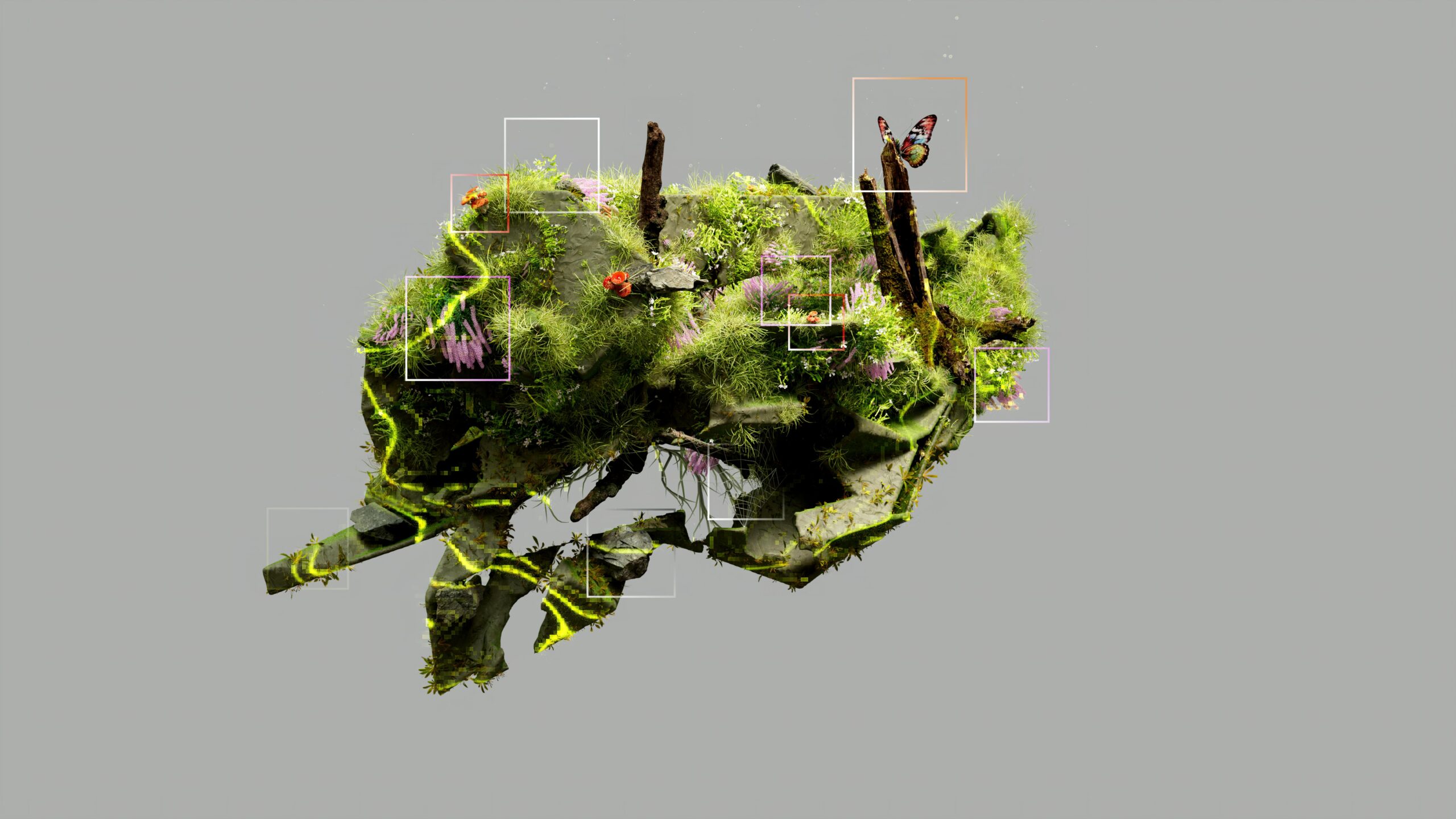
Mangrove forests stand as nature’s silent sentinels along tropical and subtropical coastlines, protecting communities and harboring extraordinary biodiversity. These remarkable ecosystems are now benefiting from innovative monitoring technologies that reveal their hidden secrets.

As climate change accelerates and coastal development intensifies, understanding and protecting mangrove ecosystems has never been more critical. Scientists, conservationists, and local communities are joining forces as modern-day guardians, deploying cutting-edge tools to unlock the mysteries of these vital coastal habitats and ensure their survival for future generations.
🌊 The Critical Importance of Mangrove Ecosystems
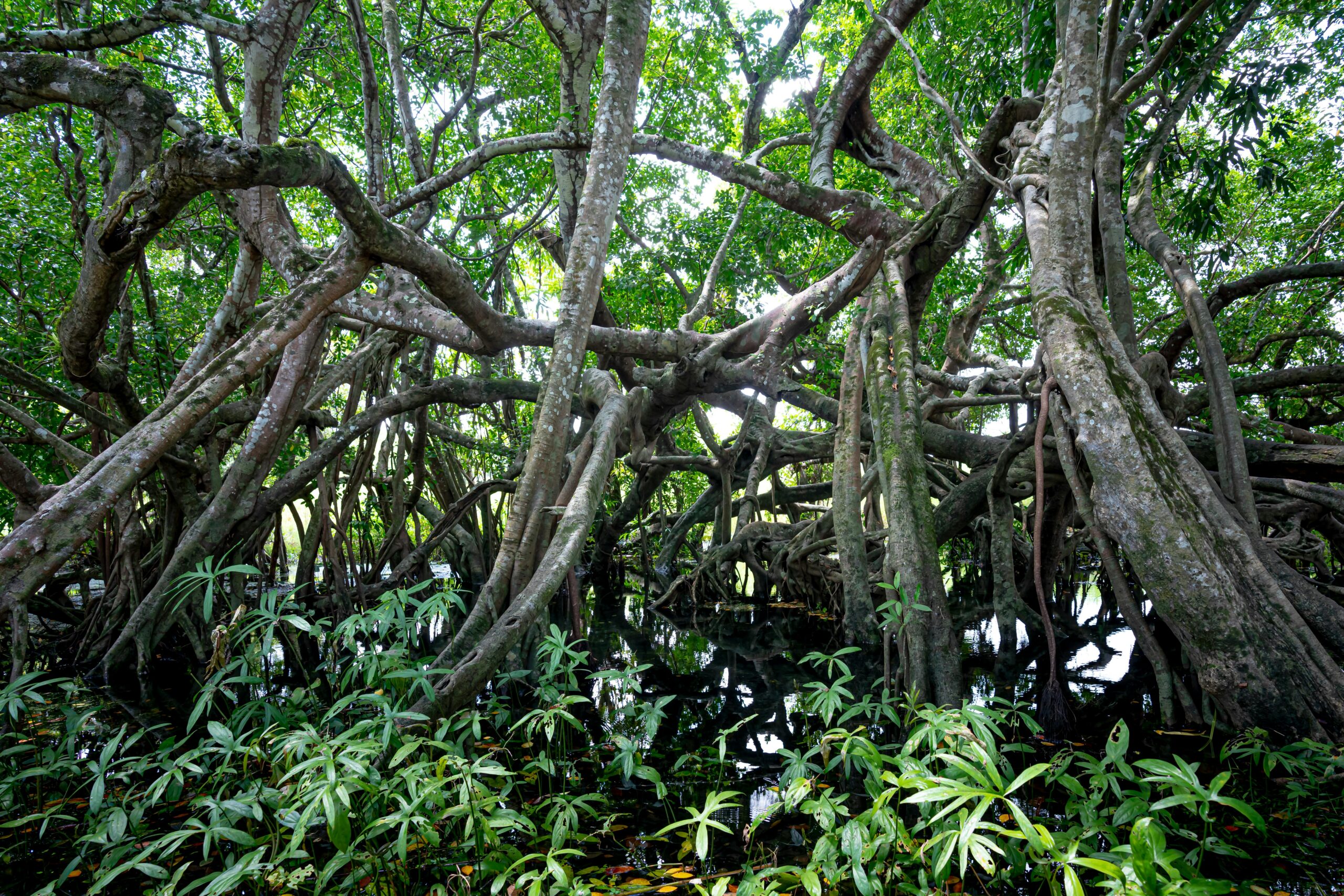
Mangrove forests represent one of Earth’s most productive and biologically complex ecosystems. These unique environments exist at the intersection of land and sea, where saltwater meets freshwater and where terrestrial species coexist with marine life in a delicate balance.
These coastal guardians provide invaluable ecosystem services worth billions of dollars annually. They act as natural barriers against storm surges and tsunamis, reducing wave energy by up to 66% and protecting millions of coastal residents from natural disasters. Their intricate root systems stabilize shorelines, preventing erosion and maintaining coastal integrity even during severe weather events.
Beyond physical protection, mangroves serve as crucial carbon sinks, sequestering carbon at rates up to four times higher than terrestrial forests. A single hectare of mangrove forest can store approximately 1,000 tons of carbon in its biomass and underlying soils, making these ecosystems essential allies in the fight against climate change.
Biodiversity Hotspots Under Threat
Mangrove ecosystems support extraordinary biodiversity, serving as nurseries for approximately 75% of commercial fish species in tropical regions. Their sheltered waters provide safe breeding grounds for countless marine organisms, from tiny crustaceans to juvenile sharks and rays.
These forests host specialized species found nowhere else on Earth, including mangrove crabs, mudskippers, and proboscis monkeys. Birds migrate thousands of miles to nest in mangrove canopies, while saltwater crocodiles patrol their murky channels. This biodiversity creates complex food webs that sustain both marine and terrestrial ecosystems.
Unfortunately, we’ve lost approximately 35% of global mangrove coverage over the past four decades due to aquaculture development, urban expansion, and agricultural conversion. This alarming trend threatens not only biodiversity but also the livelihoods of over 120 million people who depend directly on mangrove resources.
🛰️ Revolutionary Monitoring Technologies
Modern conservation efforts leverage unprecedented technological capabilities to monitor and protect mangrove ecosystems. These innovations provide guardians with real-time data and comprehensive insights that were unimaginable just a decade ago.
Satellite Remote Sensing and Drone Technology
Satellite imagery has transformed mangrove monitoring, enabling scientists to track changes in forest coverage across vast geographical areas. High-resolution satellites like Sentinel-2 and Landsat-8 provide free, regular imagery that reveals deforestation patterns, forest health indicators, and restoration progress with remarkable precision.
Drones equipped with multispectral and hyperspectral cameras offer even more detailed assessments. These unmanned aerial vehicles can fly beneath cloud cover, capturing centimeter-scale imagery that reveals individual tree health, species composition, and structural complexity. Thermal imaging sensors detect stress in vegetation before visible symptoms appear, allowing for early intervention.
LiDAR (Light Detection and Ranging) technology penetrates dense canopies to create three-dimensional maps of forest structure. These detailed models measure canopy height, biomass distribution, and carbon stocks with unprecedented accuracy, providing essential data for climate mitigation strategies and conservation planning.
Environmental DNA and Biodiversity Assessment
Environmental DNA (eDNA) analysis represents a revolutionary approach to biodiversity monitoring. Scientists collect water samples from mangrove channels and use molecular techniques to identify every species that has left genetic traces in the environment. This non-invasive method detects rare and cryptic species that traditional surveys might miss.
Acoustic monitoring devices deployed throughout mangrove forests record soundscapes continuously, capturing vocalizations from birds, mammals, amphibians, and insects. Machine learning algorithms analyze these recordings, identifying species presence, population trends, and behavioral patterns without disturbing wildlife.
IoT Sensors and Real-Time Data Networks
Internet of Things (IoT) technology brings mangrove monitoring into the digital age. Networks of wireless sensors measure water quality parameters including salinity, temperature, pH, dissolved oxygen, and nutrient concentrations. These devices transmit data in real-time, alerting guardians to pollution events or environmental changes that might threaten ecosystem health.
Automated weather stations track microclimatic conditions, recording rainfall, temperature fluctuations, and tidal patterns. This information helps researchers understand how mangroves respond to environmental stresses and predict how they might adapt to future climate scenarios.
Camera traps with AI-powered image recognition document wildlife movements and behaviors without human presence. These systems identify individual animals, track population dynamics, and reveal ecological interactions that inform conservation strategies.
🔬 Scientific Discoveries Reshaping Conservation
Cutting-edge monitoring technologies are revealing previously unknown aspects of mangrove ecology, fundamentally changing how we approach conservation and restoration.
Carbon Sequestration Mechanisms
Recent research using advanced monitoring tools has quantified the extraordinary carbon storage capacity of mangrove soils. Scientists discovered that anaerobic conditions in waterlogged sediments slow decomposition rates dramatically, allowing organic matter to accumulate for centuries.
Blue carbon initiatives now recognize mangroves as priority ecosystems for climate mitigation. Precise monitoring of carbon stocks enables the development of carbon credit programs that provide financial incentives for mangrove conservation, creating economic alternatives to destructive land uses.
Hydrological Connectivity and Ecosystem Function
Advanced modeling combined with sensor networks has illuminated the critical importance of hydrological connectivity. Mangroves require specific tidal flooding patterns to maintain optimal salinity levels and nutrient delivery. Monitoring systems track water flow patterns, revealing how coastal development disrupts these essential processes.
This knowledge guides restoration projects, ensuring that rehabilitated mangroves receive appropriate hydrological conditions. Projects that restore natural water flow patterns show significantly higher survival rates and faster ecosystem recovery than those that ignore hydrological requirements.
Climate Adaptation Strategies
Long-term monitoring datasets reveal how mangrove species respond to rising sea levels, increased storm intensity, and temperature changes. Some populations show remarkable resilience, migrating inland where topography permits or adapting their growth patterns to changing conditions.
These observations inform assisted migration strategies and identify genetic lineages with superior climate adaptation potential. Conservation programs now prioritize protecting diverse mangrove populations to maintain the genetic variation necessary for future adaptation.
🌍 Community-Based Conservation Models
Effective mangrove guardianship extends far beyond technological monitoring. Successful conservation requires engaging local communities who depend on these ecosystems for their livelihoods and cultural identity.
Participatory Monitoring Programs
Community-based monitoring programs train local residents to use smartphones and simple instruments to collect scientific data. These citizen scientists measure forest growth, document wildlife sightings, and report illegal activities, creating extensive monitoring networks that complement professional research.
Mobile applications designed for environmental monitoring make data collection accessible to non-specialists. These tools guide users through standardized protocols, automatically geotag observations, and upload information to centralized databases where scientists can analyze community-generated data alongside professional surveys.
Sustainable Livelihood Initiatives
Conservation programs that provide alternative income sources gain stronger community support. Ecotourism initiatives create employment while raising awareness about mangrove importance. Trained guides lead visitors through boardwalk trails, sharing ecological knowledge and generating revenue that funds conservation activities.
Sustainable harvesting programs allow controlled collection of mangrove resources while maintaining ecosystem integrity. Communities harvest fish, crabs, and non-timber forest products following science-based quotas determined through monitoring data, ensuring long-term resource availability.
Mangrove honey production has emerged as a particularly successful alternative livelihood. Beekeeping in mangrove forests produces high-quality honey while providing pollination services that enhance forest health, creating a win-win scenario for communities and conservation.
🏛️ Policy Frameworks and International Cooperation
Protecting mangrove ecosystems requires robust policy frameworks supported by accurate monitoring data. Governments worldwide are developing legislation that recognizes mangrove value and establishes protection mechanisms.
Marine Protected Areas and Coastal Zoning
Many nations have designated mangrove forests as protected areas with restricted development zones. Monitoring technology enables enforcement agencies to detect illegal deforestation, aquaculture expansion, or pollution discharge, providing evidence for legal action against violators.
Coastal zoning plans incorporate mangrove conservation requirements, maintaining buffer zones and green corridors that preserve ecological connectivity. These spatial planning tools balance development needs with ecosystem protection, guided by scientific data from monitoring programs.
International Conservation Agreements
Global initiatives like the Ramsar Convention on Wetlands and the UN Decade on Ecosystem Restoration emphasize mangrove conservation. International funding mechanisms support monitoring infrastructure in developing nations, ensuring that resource-limited countries can implement effective guardianship programs.
Cross-border cooperation addresses transboundary mangrove ecosystems that span multiple jurisdictions. Regional monitoring networks share data and coordinate protection strategies, recognizing that migratory species and water quality issues transcend political boundaries.
🚀 Future Directions in Mangrove Science
The next generation of monitoring technologies promises even deeper insights into mangrove ecosystem dynamics and more effective conservation strategies.
Artificial Intelligence and Predictive Modeling
Machine learning algorithms trained on massive monitoring datasets can predict ecosystem responses to various scenarios. These predictive models help conservation planners anticipate threats, optimize restoration designs, and allocate resources efficiently.
AI-powered systems analyze satellite imagery automatically, detecting subtle changes in forest health weeks or months before human observers would notice problems. Early warning systems alert managers to emerging threats, enabling proactive intervention before significant damage occurs.
Genomic Tools and Adaptation Science
Advanced genomic techniques identify genetic markers associated with stress tolerance, disease resistance, and climate adaptation. Conservation programs use this information to select superior genetic stock for restoration projects, enhancing long-term survival prospects.
Gene banks preserve diverse mangrove genetic material, safeguarding evolutionary potential against future uncertainties. As climate conditions shift, these repositories may provide essential genetic resources for assisted evolution and adaptation strategies.
Integrated Ecosystem Management Platforms
Next-generation conservation platforms integrate data from multiple monitoring sources into comprehensive management systems. These dashboards combine satellite imagery, sensor networks, community observations, and scientific research, providing guardians with holistic views of ecosystem status.
Blockchain technology ensures data integrity and creates transparent monitoring records that build stakeholder trust. Smart contracts automatically trigger conservation actions when monitoring systems detect specific conditions, streamlining management responses.
💪 Empowering the Next Generation of Guardians
Securing mangrove futures requires cultivating new generations of scientists, conservationists, and engaged citizens committed to coastal ecosystem protection.
Educational programs introduce students to mangrove ecology through hands-on monitoring activities. Young people learn scientific methods while contributing meaningful data to conservation databases, fostering environmental stewardship and scientific literacy simultaneously.
University programs specializing in coastal ecology and conservation technology train professionals with the interdisciplinary skills needed for effective guardianship. These programs combine biology, technology, social science, and policy studies, preparing graduates to address complex conservation challenges.
International exchange programs connect guardians across regions, facilitating knowledge transfer and collaborative problem-solving. Conservation practitioners share successful strategies, learn from each other’s experiences, and build global networks that strengthen mangrove protection worldwide.
🌱 Restoration Success Stories and Lessons Learned
Cutting-edge monitoring has dramatically improved restoration outcomes, transforming failed replanting efforts into thriving ecosystems that deliver comprehensive ecosystem services.
In Indonesia, community-led restoration projects using drone monitoring achieved survival rates exceeding 80%, compared to historical averages below 40%. Regular aerial surveys identified problematic areas early, allowing adaptive management that addressed drainage issues, pest problems, and planting technique refinements.
The Philippines employed eDNA monitoring to assess biodiversity recovery in restored mangroves, documenting the return of 127 fish species within five years. This data demonstrated restoration effectiveness, securing continued funding and inspiring expansion to additional sites.
Florida’s mangrove rehabilitation programs use IoT sensors to maintain optimal hydrological conditions, resulting in restoration sites that achieve ecological functionality comparable to natural forests in record time. These success stories provide blueprints for scaling up restoration efforts globally.
🔍 Addressing Persistent Challenges
Despite technological advances, significant obstacles remain in achieving comprehensive mangrove protection. Limited funding constrains monitoring infrastructure deployment in many regions where mangroves face severe threats. Political instability and corruption undermine conservation enforcement, even when monitoring systems detect violations.
Climate change impacts may eventually overwhelm adaptation capacity in certain locations, particularly where coastal squeeze prevents inland migration. Guardians must develop triage strategies that prioritize resources toward ecosystems with highest survival prospects while acknowledging difficult realities.
Balancing conservation with legitimate development needs presents ongoing challenges in rapidly growing coastal regions. Monitoring data must inform land-use decisions that accommodate human needs while maintaining critical ecosystem functions, requiring sophisticated planning approaches and political will.
🌟 The Path Forward for Coastal Guardians
Mangrove guardians stand at a pivotal moment in conservation history. Never before have we possessed such powerful tools for understanding and protecting these vital ecosystems. Satellite networks orbit overhead, sensors measure environmental parameters continuously, and genetic techniques reveal biodiversity with unprecedented detail.
Yet technology alone cannot save mangroves. Success requires integrating scientific innovation with traditional ecological knowledge, community engagement, sound policy frameworks, and sustained political commitment. The guardians who effectively combine these elements achieve remarkable conservation outcomes that benefit both nature and people.
As sea levels rise and coastal pressures intensify, mangrove forests will become increasingly valuable for climate adaptation and disaster risk reduction. The monitoring systems and conservation strategies we develop today will determine whether future generations inherit resilient coastal ecosystems or degraded landscapes vulnerable to every storm.
The secrets unlocked through cutting-edge monitoring reveal mangroves as dynamic, adaptable ecosystems with extraordinary ecological and economic value. By serving as faithful guardians armed with scientific knowledge and technological tools, we can ensure these remarkable forests continue protecting coastlines, supporting biodiversity, and sustaining communities for centuries to come. The choice—and the responsibility—belongs to this generation of coastal stewards.