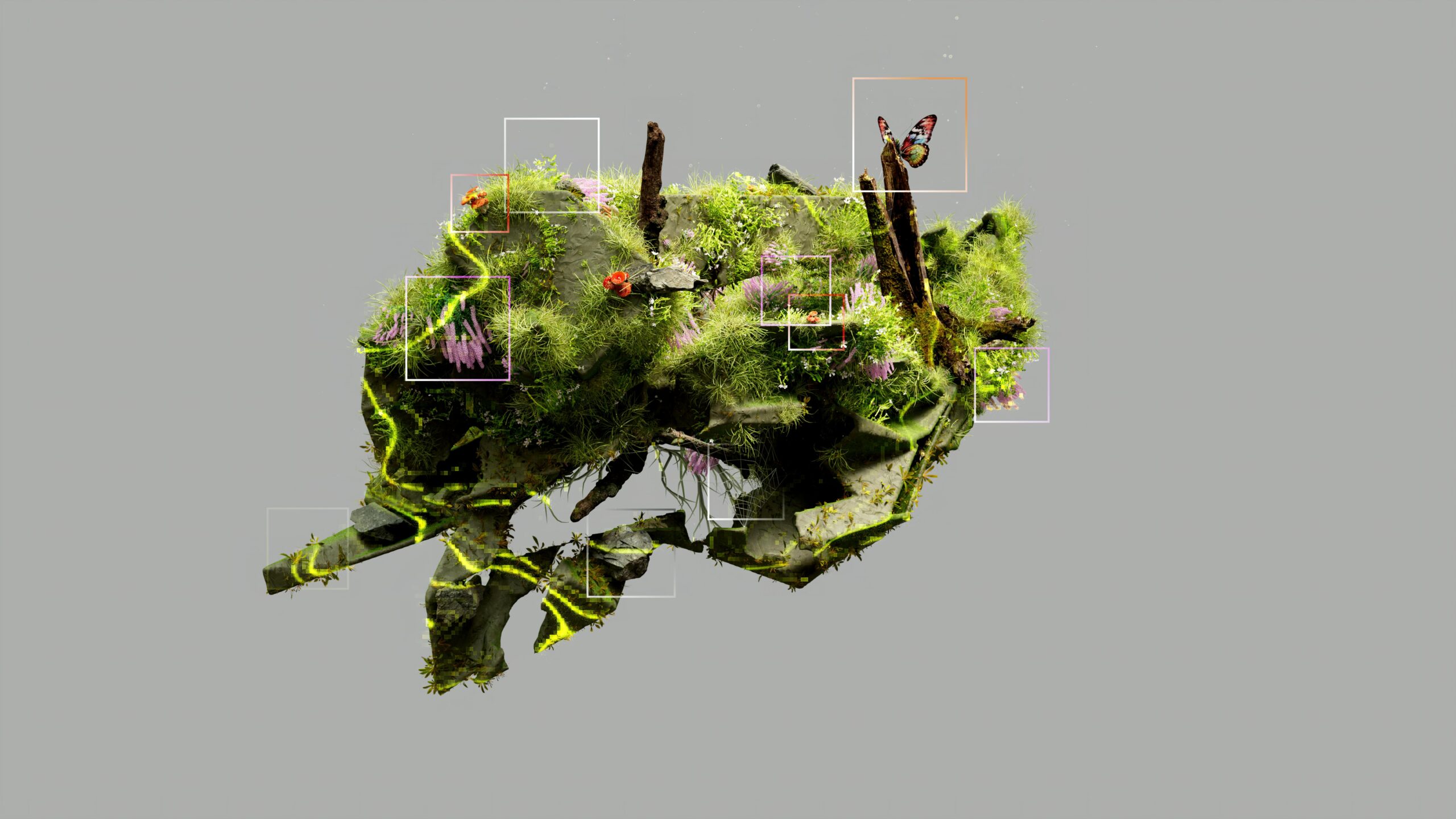
The ocean, covering over 70% of our planet’s surface, faces an invisible crisis that threatens its biodiversity and ecological balance. Habitat fragmentation, once primarily associated with terrestrial ecosystems, now poses a significant threat to marine environments worldwide.

From coastal development and shipping lanes to industrial fishing and underwater noise pollution, human activities are carving the ocean into disconnected patches. This fragmentation disrupts migration patterns, isolates populations, and weakens the resilience of marine ecosystems that billions of people depend on for food, livelihood, and climate regulation.
🌊 Understanding Ocean Habitat Fragmentation
Ocean habitat fragmentation occurs when continuous marine environments become divided into smaller, isolated sections. Unlike terrestrial fragmentation, which is often visually apparent through deforestation or urban sprawl, marine fragmentation can be subtle yet equally devastating. Physical barriers like shipping lanes, underwater cables, and coastal infrastructure create invisible walls that impede the movement of marine species.
The phenomenon extends beyond physical structures. Acoustic pollution from shipping traffic, sonar systems, and seismic surveys fragments the ocean’s soundscape, disrupting communication and navigation for marine mammals and fish. Chemical pollution creates toxic zones that species cannot traverse, while temperature changes from climate change alter migration routes and habitat suitability.
Coral reefs, seagrass meadows, mangrove forests, and kelp forests are particularly vulnerable to fragmentation. These ecosystems function as critical nurseries, feeding grounds, and migration corridors for countless species. When fragmented, their ability to support biodiversity diminishes dramatically, triggering cascading effects throughout the marine food web.
The Ecological Consequences of Disconnected Seas
Marine species have evolved over millions of years to migrate across vast ocean distances for feeding, breeding, and survival. When habitats become fragmented, these essential movements become obstructed or impossible. Sea turtles that once traveled freely between nesting beaches and feeding grounds now encounter shipping lanes, pollution zones, and coastal development that increase mortality rates and reduce reproductive success.
Genetic diversity suffers significantly in isolated populations. When marine organisms cannot exchange genetic material with distant populations, inbreeding increases vulnerability to disease, reduces adaptive capacity, and threatens long-term survival. This genetic bottleneck has been observed in populations of marine mammals, sharks, and reef fish across fragmented habitats.
The disruption of predator-prey relationships represents another critical consequence. Many marine predators rely on prey that migrate seasonally or move between different habitat types. Fragmentation can separate predators from their food sources, leading to localized extinctions and ecosystem imbalances that ripple through entire food webs.
Impact on Migratory Species 🐋
Whales, dolphins, sea turtles, and migratory fish species face extraordinary challenges in fragmented oceans. Gray whales migrate up to 12,000 miles annually between feeding and breeding grounds, navigating through increasingly cluttered and noisy ocean corridors. Ship strikes, entanglement in fishing gear, and acoustic pollution disrupt these ancient migration routes, contributing to population declines.
Salmon populations provide a stark example of fragmentation’s impact. Dams, coastal development, and degraded estuaries have severed connections between freshwater spawning grounds and ocean feeding areas. Populations that once numbered in the millions have collapsed in many regions, with profound consequences for both marine ecosystems and human communities that depend on them.
Human Activities Driving Marine Fragmentation
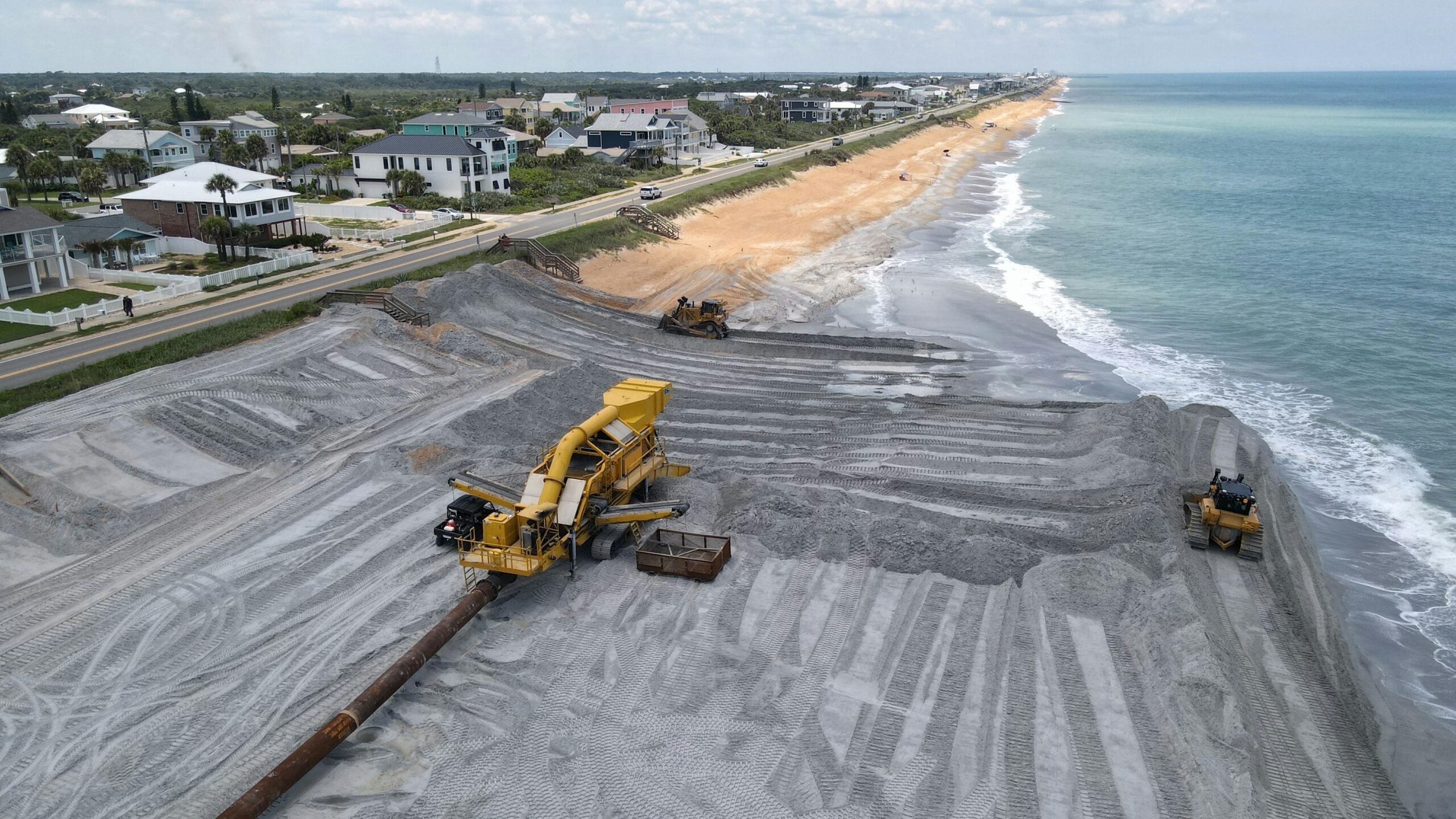
Coastal development stands as one of the primary drivers of ocean habitat fragmentation. Ports, marinas, seawalls, and coastal infrastructure physically alter shorelines and nearshore environments, destroying critical habitat connections. Mangrove forests and salt marshes, which serve as vital transition zones between land and sea, have been reduced by over 50% globally, severing connections that countless species depend on.
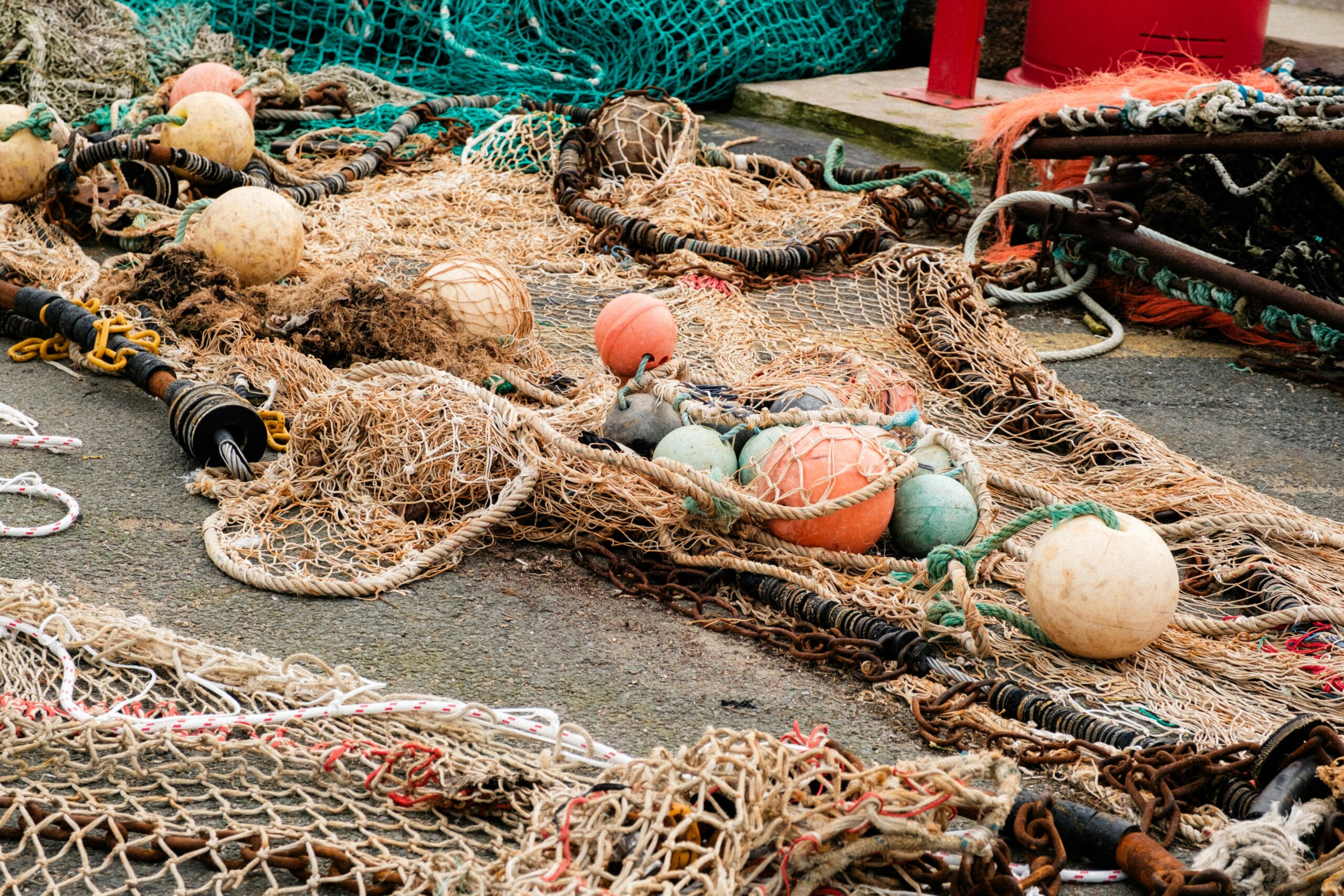
Industrial fishing practices contribute significantly to fragmentation through bottom trawling, which destroys seafloor habitats and creates patchy, degraded landscapes. Fishing gear lost or abandoned in the ocean continues to trap and kill marine life for decades, creating no-go zones that fragment habitats and disrupt ecosystem functions.
Shipping traffic crisscrosses the ocean with over 50,000 vessels operating at any given time, creating noise corridors that fragment acoustic habitats. This underwater cacophony masks communication signals between marine mammals, interferes with fish schooling behavior, and disrupts the sensory ecology that species rely on for survival.
Climate Change as a Fragmentation Amplifier
Rising ocean temperatures force species to shift their ranges poleward or into deeper waters, but physical and ecological barriers often block these migrations. Coral reefs bleaching under temperature stress become fragmented patches of dead and dying coral, unable to support the biodiversity they once sustained.
Ocean acidification alters the chemistry of seawater, making some areas uninhabitable for calcifying organisms like corals, mollusks, and certain plankton species. This chemical fragmentation creates invisible barriers that isolate populations and reduce the overall carrying capacity of marine ecosystems.
Innovative Solutions for Reconnecting Ocean Habitats
Marine protected areas (MPAs) represent one of the most effective tools for combating habitat fragmentation. When strategically designed as networks rather than isolated reserves, MPAs can maintain connectivity between critical habitats. The Coral Triangle Initiative, spanning six countries in Southeast Asia, exemplifies this approach by protecting migration corridors and ensuring genetic exchange between reef systems.
Blue corridors, analogous to wildlife corridors on land, are emerging as a conservation strategy to maintain connectivity for migratory species. These designated ocean pathways provide safe passage through high-risk areas, reducing ship strikes, fishing bycatch, and other threats. Countries like Costa Rica and Panama have pioneered marine corridors connecting protected areas to facilitate the movement of sharks, rays, and sea turtles.
Habitat restoration projects actively work to rebuild fragmented ecosystems. Coral reef restoration using techniques like coral gardening and artificial reef structures helps reconnect degraded reef systems. Seagrass replanting initiatives restore underwater meadows that serve as critical habitat and migration pathways for numerous species. Mangrove reforestation reconnects coastal ecosystems, providing nursery habitat and protecting shorelines from erosion and storm damage.
Technology-Driven Conservation Approaches 📱
Satellite tracking and acoustic monitoring technologies enable scientists to map marine animal movements and identify critical connectivity corridors. This data informs the placement of protected areas and helps shipping companies adjust routes to minimize impacts on migration pathways. Real-time tracking systems can alert vessels to the presence of whales, reducing collision risks in busy shipping lanes.
Artificial intelligence and machine learning analyze vast datasets to predict how species will respond to fragmentation and climate change. These predictive models guide conservation planning, helping managers prioritize areas for protection and restoration that will maintain connectivity under future environmental conditions.
Citizen science initiatives engage coastal communities and recreational ocean users in monitoring marine life and habitat conditions. Mobile applications allow divers, snorkelers, and boaters to report sightings of marine species, pollution events, and habitat degradation, creating comprehensive datasets that inform conservation efforts.
Ecosystem-Based Management for Ocean Connectivity
Moving beyond single-species conservation, ecosystem-based management recognizes the interconnectedness of marine life and habitats. This holistic approach considers entire ecosystems, including physical, chemical, and biological components, when making management decisions. By protecting habitat connectivity alongside individual species, ecosystem-based management addresses fragmentation more effectively.
Integrated coastal zone management brings together stakeholders from government, industry, and civil society to coordinate activities that affect marine environments. This collaborative approach balances economic development with conservation, ensuring that ports, aquaculture, tourism, and other coastal activities minimize habitat fragmentation.
Marine spatial planning maps ocean uses and identifies areas where conflicts can be reduced or eliminated. By designating zones for different activities—fishing, shipping, conservation, renewable energy—spatial planning can maintain connectivity corridors while accommodating human needs. Countries like Norway, Australia, and Belgium have implemented comprehensive marine spatial plans that explicitly address habitat connectivity.
Policy Frameworks Supporting Marine Connectivity 🌍
International agreements provide frameworks for protecting ocean connectivity across national boundaries. The Convention on Biological Diversity’s Aichi Biodiversity Targets called for protecting 10% of coastal and marine areas by 2020, with explicit emphasis on connectivity. The post-2020 Global Biodiversity Framework raises this ambition to 30% by 2030, recognizing that larger, well-connected networks of protected areas are essential for marine conservation.
Regional fisheries management organizations coordinate conservation across political boundaries, managing migratory fish stocks and protecting critical habitats. The International Commission for the Conservation of Atlantic Tunas, for example, implements measures to reduce bycatch and protect spawning grounds that maintain connectivity for highly migratory species.
National policies increasingly incorporate connectivity considerations into marine conservation planning. The United States, through the National Marine Sanctuary System, protects a network of sites that encompasses diverse habitats and maintains corridors for migratory species. Canada’s Marine Conservation Targets include specific provisions for ensuring connectivity between protected areas.
Community-Led Conservation Initiatives
Indigenous and local communities possess generations of ecological knowledge about marine connectivity patterns. Their stewardship practices often inherently maintain habitat connections that modern conservation is only beginning to recognize. Incorporating traditional ecological knowledge into conservation planning enhances effectiveness and ensures culturally appropriate approaches.
Community-based marine protected areas, managed by local fishing communities, have proven highly effective at maintaining habitat connectivity while supporting sustainable livelihoods. In the Philippines, hundreds of community-managed MPAs form networks that protect coral reefs and maintain fish populations across entire coastal regions.
Coastal cleanup initiatives organized by local communities remove plastic pollution and derelict fishing gear that fragment habitats and harm marine life. These grassroots efforts, multiplied across thousands of locations globally, contribute significantly to restoring ocean connectivity and ecosystem health.
The Economic Case for Protecting Marine Connectivity
Healthy, connected marine ecosystems provide enormous economic benefits. Fisheries that depend on migratory species generate hundreds of billions of dollars annually in revenue and support millions of jobs. Fragmentation that disrupts fish migrations undermines these economic benefits, threatening food security and livelihoods in coastal communities worldwide.
Tourism based on marine wildlife and coral reefs contributes over $36 billion annually to global economies. Whale watching, diving, and snorkeling depend on healthy, connected ecosystems that support abundant marine life. Investment in maintaining ocean connectivity protects these economic benefits while conserving biodiversity.
Coastal protection services provided by mangroves, coral reefs, and seagrass beds save billions of dollars in storm damage and erosion prevention. These ecosystems function most effectively when connected, allowing species movement and material exchange that maintain their structural integrity and protective capacity.
Blue Economy Opportunities 💼
The transition to a blue economy—one that balances economic use of ocean resources with long-term sustainability—creates opportunities for businesses that support marine connectivity. Eco-tourism operations, sustainable seafood certification programs, and habitat restoration enterprises generate revenue while contributing to conservation goals.
Green shipping initiatives reduce vessel speeds in critical habitats, use quieter propulsion systems, and adjust routes to avoid sensitive areas. These practices decrease marine habitat fragmentation while reducing fuel costs and greenhouse gas emissions, demonstrating that economic and environmental objectives can align.
Future Directions for Ocean Connectivity Conservation
Addressing ocean habitat fragmentation requires scaling up successful approaches and innovating new solutions. Expanding marine protected area networks to cover 30% of the ocean by 2030, with emphasis on connectivity, represents an achievable target that would significantly benefit marine biodiversity and ecosystem resilience.
Investing in ocean observation systems improves understanding of how marine species use ocean space and how fragmentation affects their populations. Enhanced monitoring enables adaptive management that responds to changing conditions and emerging threats to connectivity.
Strengthening international cooperation ensures that migratory species receive protection throughout their ranges. Transboundary conservation agreements, supported by adequate funding and enforcement mechanisms, can maintain connectivity corridors that cross national jurisdictions.
Education and awareness initiatives build public support for marine connectivity conservation. When people understand how fragmentation threatens the ocean ecosystems they depend on, they become advocates for solutions and participants in conservation efforts. Schools, aquariums, and media play crucial roles in communicating these messages effectively.
Taking Action to Reconnect Our Ocean 🐠
Every individual can contribute to reducing ocean habitat fragmentation. Choosing sustainable seafood supports fisheries management that protects habitat connectivity. Reducing plastic consumption decreases pollution that fragments marine environments. Supporting marine conservation organizations amplifies efforts to establish protected area networks and restore degraded habitats.
Recreational ocean users can practice responsible behaviors that minimize disturbance to marine life. Maintaining safe distances from marine mammals, avoiding sensitive habitats, and properly disposing of fishing gear prevents fragmentation at local scales that collectively makes a global difference.
Engaging in policy processes—commenting on marine spatial plans, supporting connectivity-focused legislation, and holding elected officials accountable for ocean protection—ensures that conservation priorities receive political support and adequate resources.
The challenge of ocean habitat fragmentation is significant, but solutions exist and are being implemented worldwide. By connecting the blue through strategic conservation, sustainable use, and collaborative action, we can protect marine life and restore the underwater ecosystems that all life on Earth depends on. The ocean’s vast spaces can no longer be taken for granted; maintaining the connections within them is essential for a healthy planet and a sustainable future for humanity.