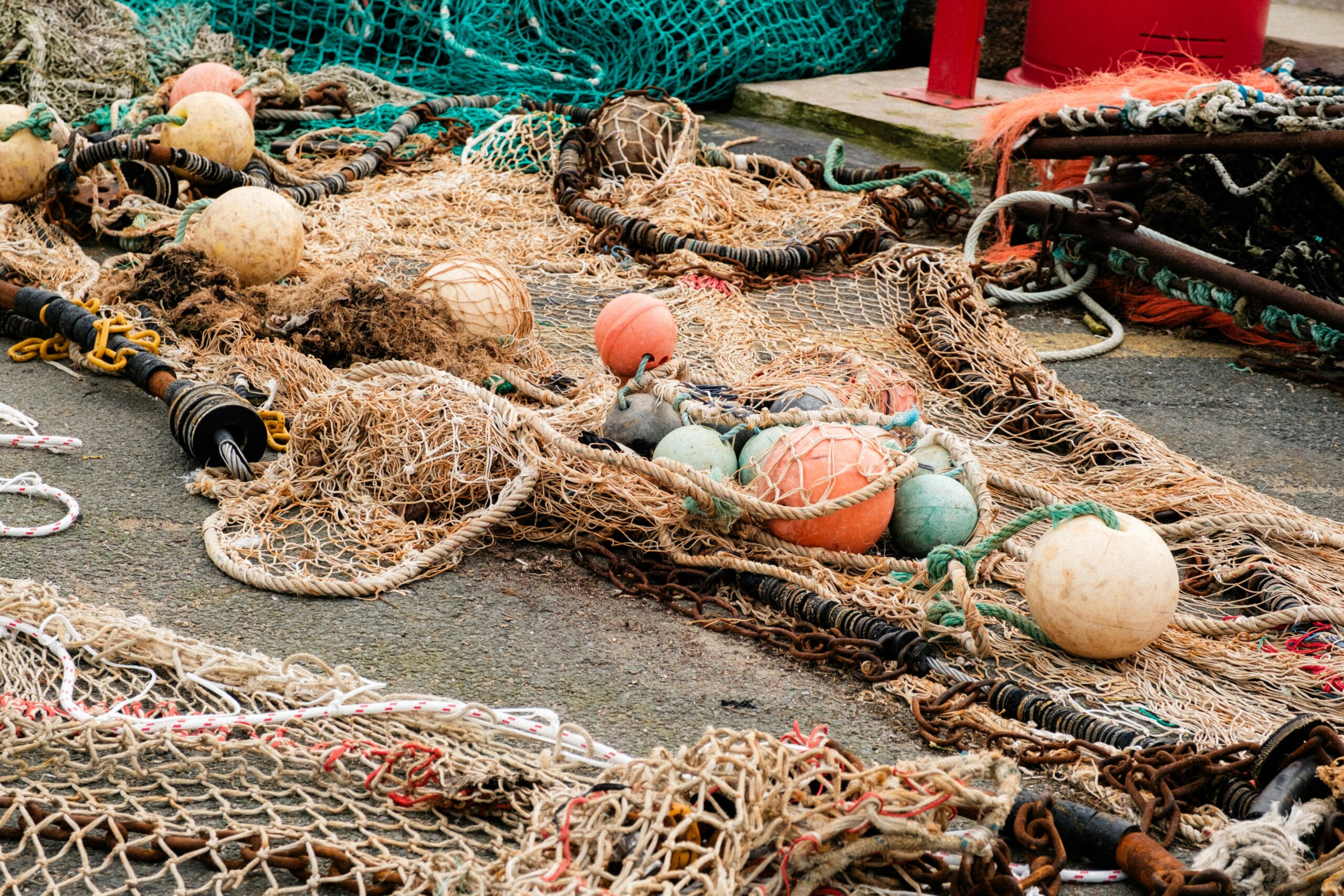
Our oceans are drowning in plastic pollution, with millions of tons entering marine ecosystems annually. This environmental crisis threatens marine life, human health, and the planet’s delicate ecological balance.

However, a wave of innovative technologies and cleanup systems is emerging to combat this global challenge. From autonomous ocean-cleaning vessels to AI-powered detection systems, scientists, engineers, and environmental organizations are developing groundbreaking solutions to extract plastic waste from our seas and prevent further contamination.
The scale of ocean plastic pollution has reached unprecedented levels, with estimates suggesting that by 2050, there could be more plastic than fish in our oceans by weight. This sobering reality has catalyzed a global movement toward developing effective marine plastic cleanup systems that can make a tangible difference in restoring ocean health and protecting marine biodiversity for future generations.
🌊 The Magnitude of the Ocean Plastic Crisis
Every year, approximately 8 to 12 million metric tons of plastic waste enter the world’s oceans. This staggering amount of pollution accumulates in vast garbage patches, with the Great Pacific Garbage Patch alone covering an area twice the size of Texas. The plastic doesn’t simply float on the surface; it breaks down into microplastics that infiltrate every level of the marine food chain.
Marine animals mistake plastic debris for food, leading to ingestion that causes starvation, intestinal blockages, and death. Sea turtles confuse plastic bags with jellyfish, while seabirds feed plastic fragments to their chicks. The consequences extend beyond individual animals to entire ecosystems, disrupting reproductive cycles and population dynamics across numerous species.
The economic impact is equally significant. Coastal communities dependent on fishing and tourism suffer as plastic pollution degrades natural resources and scenic beauty. The fishing industry faces challenges from contaminated catches and damaged equipment, while cleanup costs burden local governments and taxpayers worldwide.
Revolutionary Cleanup Technologies Taking Action
The fight against ocean plastic has inspired remarkable technological innovations. These systems represent humanity’s determination to reverse the damage and restore marine environments to their natural state. Each technology addresses different aspects of the plastic pollution problem, from surface collection to deep-water retrieval.
The Ocean Cleanup Project’s System 002
Perhaps the most ambitious large-scale cleanup initiative, The Ocean Cleanup’s System 002, nicknamed “Jenny,” represents a quantum leap in ocean plastic extraction technology. This massive U-shaped system uses natural ocean currents and a retention zone to concentrate and capture plastic debris efficiently.
The system employs a combination of passive drift and active maneuvering, allowing it to cover vast areas while consuming minimal energy. Its design prevents marine life entrapment through slow-moving barriers and escape routes for sea creatures. After successful testing phases, the system has extracted thousands of kilograms of plastic from the Great Pacific Garbage Patch.
The collected plastic undergoes sorting and processing, with plans to transform it into durable consumer products. This circular economy approach gives ocean plastic a second life while funding further cleanup operations through product sales.
Autonomous Drone Systems and AI Detection 🤖
Artificial intelligence has revolutionized how we identify and track ocean plastic pollution. Autonomous drones equipped with sophisticated cameras and AI algorithms patrol coastlines and offshore areas, detecting plastic accumulations with unprecedented accuracy. These systems can distinguish between different types of debris and prioritize collection efforts.
Machine learning models analyze satellite imagery to identify plastic hotspots across vast ocean expanses. This data-driven approach allows cleanup crews to deploy resources strategically, maximizing efficiency and impact. Real-time monitoring provides valuable insights into pollution sources, migration patterns, and accumulation zones.
Some autonomous systems combine detection with collection capabilities. Underwater drones navigate beneath the surface, using sensors to locate submerged plastic and retrieve it without human intervention. These robots can operate in conditions too dangerous or remote for human divers, expanding cleanup capabilities significantly.
Innovative Barrier and Interception Technologies
Preventing plastic from reaching the open ocean represents a crucial frontline strategy. River and estuary barrier systems intercept waste before it enters marine environments, capturing up to 80% of plastic pollution at strategic points.
The Interceptor: River Cleanup Vessels
The Ocean Cleanup’s Interceptor vessels tackle pollution at its source by operating in rivers that transport the majority of ocean-bound plastic. These solar-powered, autonomous systems extract waste 24/7 without requiring shore-based power infrastructure.
Positioned strategically in the world’s most polluting rivers across Asia, Africa, and Latin America, Interceptors act as barriers that funnel floating debris onto conveyor belts. The collected waste fills onboard containers that local authorities can empty and process. This approach prevents millions of kilograms of plastic from ever reaching the ocean.
The modular design allows rapid deployment and scalability. Communities can customize Interceptor installations to match local river conditions and waste volumes, making the technology adaptable to diverse geographical contexts and resource levels.
Seabin Project: Marina and Harbor Solutions
While large-scale systems target open ocean and river pollution, the Seabin Project addresses contamination in marinas, ports, and calm water environments. These automated bins float at water level, using pumps to draw in surrounding water and capture floating debris, microplastics, and even petroleum-based oils.
Each Seabin operates continuously, processing thousands of liters of water daily and collecting an average of 1.4 kilograms of debris per day. When installed across multiple locations, these devices create a network of cleanup points that significantly reduce harbor pollution while raising public awareness.
The simplicity and effectiveness of Seabins make them ideal for widespread adoption. Yacht clubs, marinas, and waterfront developments worldwide have embraced this technology as part of their environmental responsibility initiatives.
🔬 Biotechnology and Natural Solutions
Beyond mechanical systems, researchers are exploring biological approaches to plastic degradation and removal. Scientists have discovered microorganisms and enzymes capable of breaking down certain plastics, offering potential long-term solutions to persistent pollution.
Plastic-Eating Bacteria and Enzymes
Japanese researchers discovered Ideonella sakaiensis, a bacterium that consumes PET plastic, one of the most common plastics in ocean debris. This microorganism produces enzymes that break down plastic into harmless compounds, essentially digesting what was previously considered non-biodegradable.
Scientists are working to enhance these natural enzymes, creating super-powered versions that work faster and at different temperatures. Laboratory experiments show promising results, with engineered enzymes degrading plastic bottles in hours rather than centuries.
While large-scale deployment remains years away, biotechnology offers hope for addressing microplastics and deeply embedded pollution that mechanical systems cannot reach. Combining biological and mechanical approaches may provide the comprehensive solution our oceans desperately need.
Natural Marine Ecosystem Restoration
Healthy marine ecosystems demonstrate remarkable resilience. Restoration projects that focus on rebuilding coral reefs, seagrass beds, and mangrove forests create natural filtration systems that help mitigate pollution impacts while providing habitats for marine life.
These ecosystems trap particulates, including microplastics, preventing their spread throughout the food chain. Restored habitats also support biodiversity recovery, helping populations rebound after pollution-related declines. This holistic approach addresses both symptoms and underlying ecosystem health issues.
Community-Driven Cleanup Initiatives and Citizen Science 🌍
Technology alone cannot solve the ocean plastic crisis. Grassroots movements and community participation play essential roles in both cleanup efforts and prevention strategies. Citizen science programs engage volunteers in data collection, monitoring, and direct action.
Beach cleanup events organized worldwide remove tons of plastic from coastlines before tides carry it back to sea. Mobile applications allow volunteers to log their findings, creating databases that help researchers understand pollution patterns and sources. This crowdsourced data informs policy decisions and cleanup priorities.
Educational programs accompanying cleanup efforts foster environmental stewardship and behavior change. When communities understand the pollution pathway from land to ocean, they’re more likely to reduce single-use plastic consumption and support sustainable alternatives.
Policy Frameworks and International Cooperation
Effective ocean cleanup requires coordinated international efforts. Plastic pollution recognizes no national boundaries, traveling across oceans and impacting coastlines worldwide. Successful solutions demand cooperation between governments, industries, and civil society organizations.
International Agreements and Regulations
The United Nations Environment Programme coordinates global efforts through initiatives like the Clean Seas campaign, encouraging nations to reduce plastic pollution through legislative action. Many countries have implemented bans on single-use plastics, established extended producer responsibility programs, and invested in waste management infrastructure.
International maritime regulations now restrict plastic disposal from ships, while port reception facilities provide proper waste disposal options. These measures reduce direct ocean dumping, addressing one significant pollution source.
Corporate Responsibility and Innovation
Major corporations are investing in cleanup technologies and alternative materials. Partnerships between technology developers and industry leaders accelerate innovation and provide funding for large-scale deployments. Some companies commit to using recycled ocean plastic in their products, creating market demand for collected materials.
This economic incentive makes cleanup operations financially sustainable, transforming waste into valuable resources. When ocean plastic becomes a commodity rather than mere pollution, cleanup efforts gain long-term viability beyond charitable donations and government funding.
💡 Emerging Technologies on the Horizon
The next generation of cleanup technologies promises even greater efficiency and scope. Researchers are developing systems that address current limitations and expand capabilities to tackle previously inaccessible pollution.
Nanotechnology and Microplastic Removal
Microplastics present unique challenges due to their tiny size and widespread distribution. Nanotechnology offers potential solutions through magnetic nanoparticles that bind to microplastics, allowing magnetic extraction from water. Laboratory tests show promising results, though scaling to ocean-wide application requires further development.
Advanced filtration systems using specialized membranes can remove microplastics from water during industrial processes and wastewater treatment, preventing their entry into waterways. Widespread adoption of these technologies could dramatically reduce new microplastic pollution.
Satellite Technology and Global Monitoring
Next-generation satellites with enhanced imaging capabilities will map ocean plastic pollution with unprecedented detail. Real-time global monitoring enables rapid response to new accumulations and helps track the effectiveness of cleanup interventions over time.
This comprehensive data collection supports scientific research into pollution dynamics, helping predict future hotspot formation and optimize cleanup strategies. Understanding how currents transport plastic allows proactive positioning of cleanup systems where they’ll achieve maximum impact.
The Economic Case for Ocean Cleanup Investment 💰
Investing in ocean cleanup technologies generates significant economic returns beyond environmental benefits. The fishing industry avoids losses from contaminated catches and damaged equipment. Tourism sectors benefit from pristine beaches and healthy marine ecosystems that attract visitors.
The growing ocean plastic recycling industry creates jobs in collection, processing, and manufacturing. Coastal communities develop new economic opportunities through cleanup operations and eco-tourism centered on restoration projects. These benefits far outweigh initial investment costs when calculated over long-term timeframes.
Healthcare costs decrease as reduced plastic pollution minimizes human exposure to harmful chemicals and microplastics. Studies link plastic-associated pollutants to various health issues, from endocrine disruption to cancer. Cleaner oceans mean healthier populations and reduced medical expenses.
Challenges and Limitations Requiring Solutions
Despite remarkable progress, ocean cleanup technologies face significant challenges. The sheer scale of pollution requires massive resource investments beyond current capabilities. Logistics of operating in remote ocean locations, harsh weather conditions, and vast distances create operational difficulties.
Current technologies primarily address surface plastic, while significant pollution exists at various depths. Developing systems that safely extract plastic from different water columns without harming marine life remains challenging. Deep-sea plastic requires specialized approaches still in development stages.
Financial sustainability concerns persist. Many cleanup operations rely on donations and grants rather than self-sustaining business models. Scaling efforts to match the pollution problem requires stable, long-term funding sources that current structures may not provide.
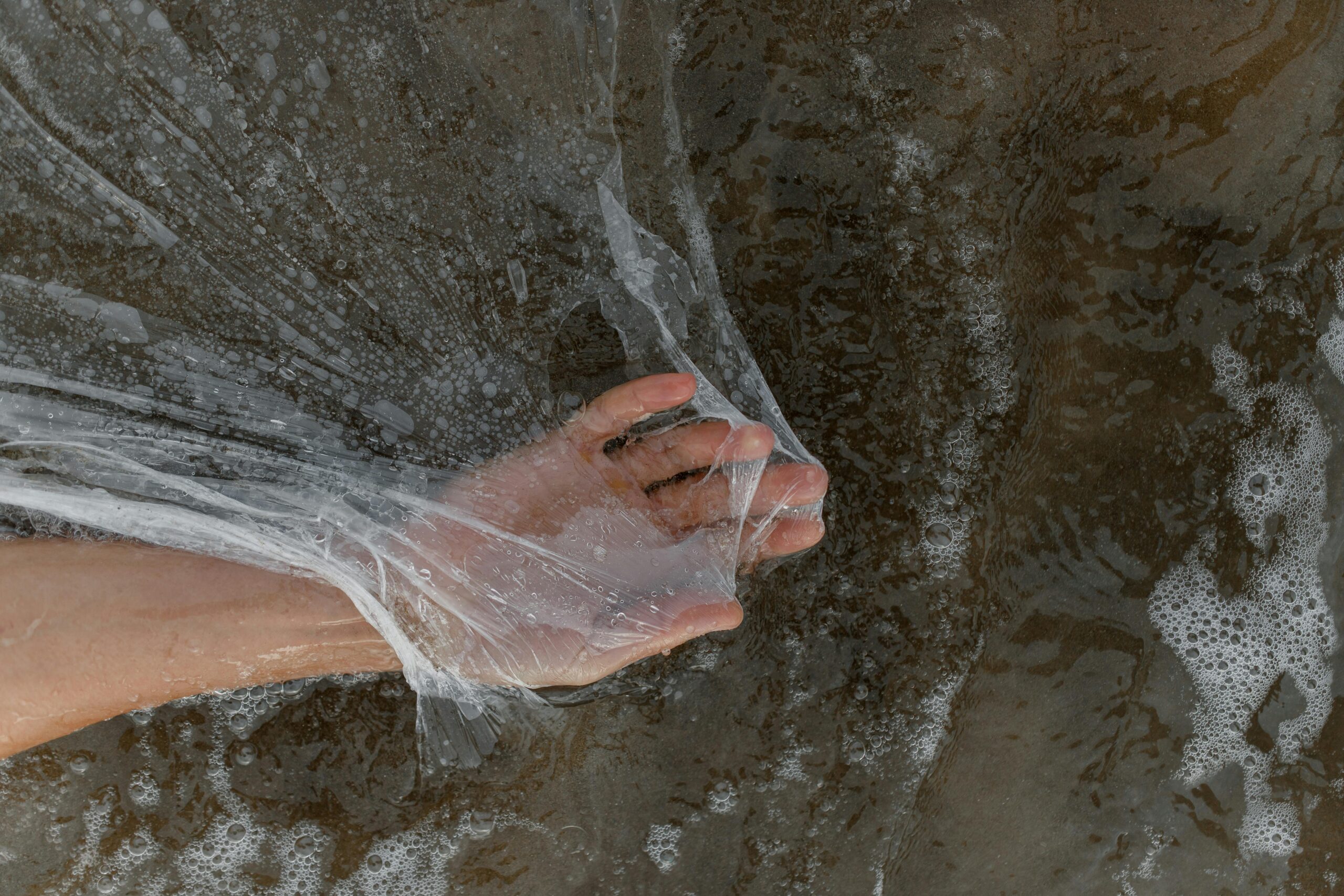
Building a Plastic-Free Ocean Future 🌊
Innovative cleanup technologies represent hope for our oceans, but they’re only part of the solution. Preventing plastic from entering marine environments must complement extraction efforts. This requires fundamental changes in how society produces, uses, and disposes of plastic materials.
Transitioning to circular economy models where plastic never becomes waste, education programs that change consumer behavior, and continued technological innovation all contribute to comprehensive solutions. Success demands commitment from individuals, communities, corporations, and governments working together toward shared environmental goals.
The ocean plastic crisis developed over decades and won’t be solved overnight. However, the remarkable technologies and dedicated people working on cleanup and prevention demonstrate humanity’s capacity for positive change. Every piece of plastic removed represents a small victory for marine life and ocean health.
As cleanup systems improve and deployment expands, we move closer to restored oceans teeming with life rather than pollution. The innovative solutions emerging today lay groundwork for a future where clean, healthy oceans support thriving ecosystems and human communities alike. This vision is achievable, but only through sustained effort, continued innovation, and unwavering commitment to protecting our planet’s most precious resource.
The tide is turning. With every new technology deployed, every policy enacted, and every individual choosing sustainable alternatives, we write a different future for our oceans. The question is not whether we can restore ocean health, but whether we will commit the resources and collective will necessary to make it happen. The innovative cleanup systems pioneering this work prove that solutions exist—now we must scale them to match the magnitude of the challenge.