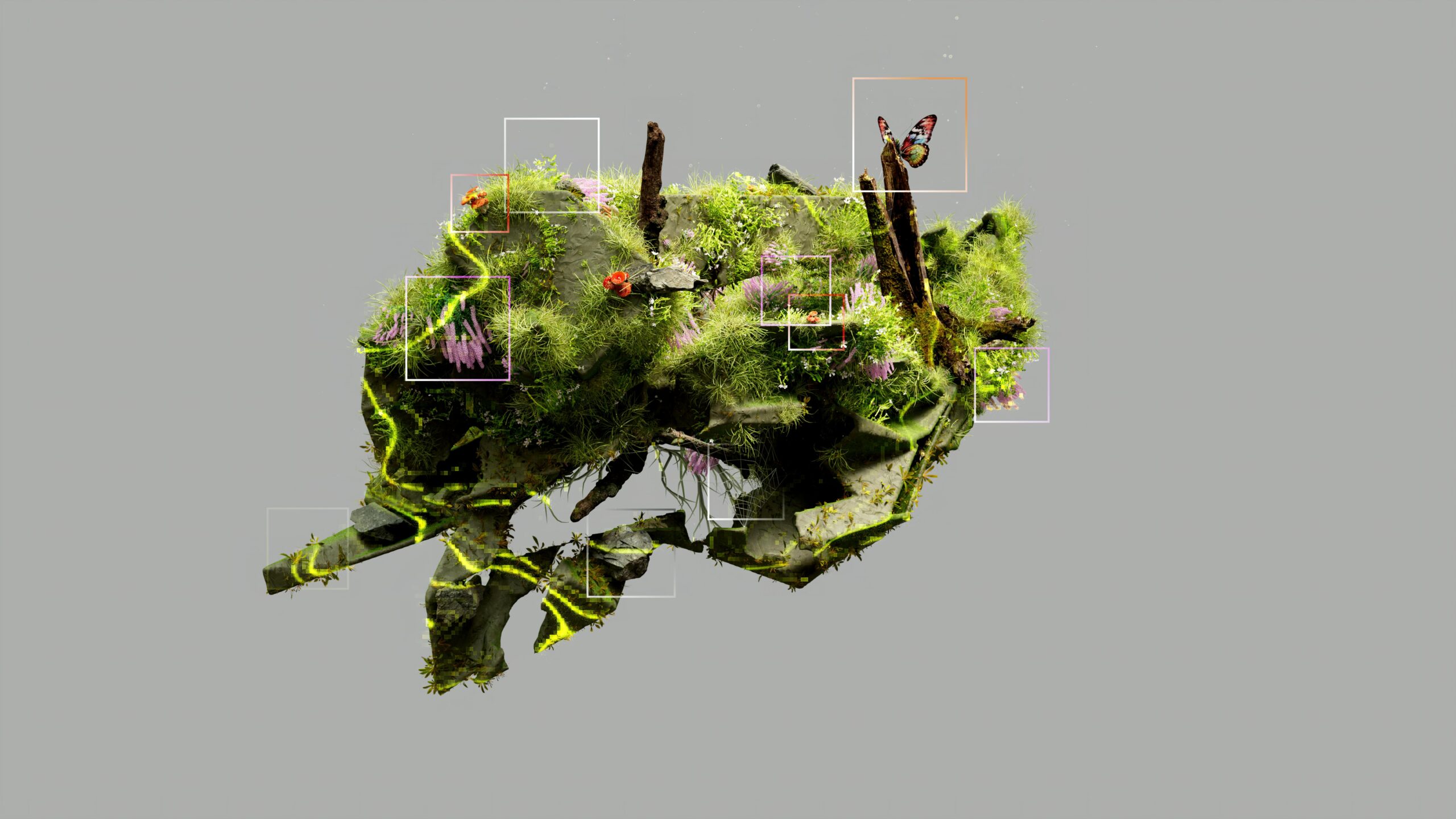
The world’s oceans are facing unprecedented challenges, from overfishing to climate change. Artificial intelligence is emerging as a powerful ally in transforming how we manage marine resources and ensure the sustainability of our fisheries.

As global fish consumption continues to rise and wild fish populations decline, the need for innovative solutions has never been more critical. Traditional methods of monitoring and managing fish stocks are often slow, expensive, and imprecise. Today, AI-powered technologies are revolutionizing every aspect of fisheries management, from population assessment to enforcement of fishing regulations, offering hope for a more sustainable ocean future.
🌊 The Crisis in Our Oceans: Why We Need a Revolution
The statistics are sobering. According to the Food and Agriculture Organization, over one-third of global fish stocks are currently overfished, while nearly 60% are fished at maximum sustainable levels. This leaves little room for error or environmental variability. The consequences extend far beyond empty nets—they threaten food security for billions of people, coastal economies, and the health of entire marine ecosystems.
Traditional fish stock assessment methods rely heavily on manual data collection, including research vessel surveys, port sampling, and logbook reporting. These approaches are labor-intensive, costly, and often provide data with significant time lags. By the time scientists analyze trends and recommend policy changes, fish populations may have already shifted dramatically.
Climate change compounds these challenges. Warming waters are forcing fish populations to migrate to new areas, disrupting established management zones and international agreements. Ocean acidification affects shellfish and other species at the base of the food chain. These rapid environmental changes demand equally rapid and adaptive management responses that traditional methods struggle to provide.
🤖 How Artificial Intelligence is Changing the Game
Artificial intelligence brings unprecedented capabilities to fisheries management through its ability to process vast amounts of data, identify complex patterns, and make predictions with increasing accuracy. Machine learning algorithms can analyze multiple data streams simultaneously—satellite imagery, acoustic sensors, environmental data, and historical catch records—to create comprehensive pictures of fish population dynamics.
Computer vision technology represents one of the most exciting AI applications in this field. Advanced algorithms can now identify fish species, count individual fish, and estimate their sizes from underwater video footage or images captured by cameras on fishing vessels. This automation dramatically reduces the time and expertise required for species identification and catch documentation.
Neural networks trained on years of oceanographic and biological data can predict fish movement patterns based on water temperature, currents, salinity, and other environmental variables. These predictive models help fisheries managers anticipate where fish populations will be located, enabling more targeted and efficient monitoring efforts while reducing the environmental impact of research activities.
📊 Real-Time Monitoring: Eyes Everywhere in the Ocean
One of AI’s most transformative contributions is enabling real-time monitoring at scales previously impossible. Satellite technology combined with machine learning algorithms can now track fishing vessel activities across entire ocean basins, identifying suspicious behavior patterns that may indicate illegal fishing.
Acoustic monitoring systems equipped with AI can continuously listen to the ocean, using sound patterns to estimate fish abundance and track migrations. These systems operate 24/7 in all weather conditions, providing data streams that would require armies of human observers to match. Machine learning models filter out background noise and distinguish between different species based on their unique acoustic signatures.
Smart buoys and autonomous underwater vehicles equipped with sensors and AI processors are creating networks of ocean observers. These devices collect data on fish presence, water quality, and environmental conditions while transmitting information back to shore in real time. The result is a dynamic, constantly updating picture of ocean health and fish stock status.
🎯 Precision Fisheries: Catching More by Catching Less
AI is paradoxically helping fisheries catch more fish by actually reducing fishing effort. Predictive analytics help fishing fleets locate target species more efficiently, reducing fuel consumption, operational costs, and bycatch of non-target species. This precision approach means vessels spend less time searching and can be more selective in their catches.
Bycatch reduction represents a critical sustainability challenge that AI is helping to solve. Computer vision systems can identify protected species in real time as nets are hauled, triggering alerts or automatic release mechanisms. Some systems can even predict bycatch risk based on location, time, and environmental conditions, allowing vessels to avoid areas where endangered species are likely present.
Dynamic ocean management powered by AI adjusts fishing zones and regulations in near real-time based on current conditions rather than static annual assessments. If AI models detect that a spawning aggregation has formed in a particular area, temporary closures can be implemented quickly to protect breeding populations. Conversely, areas can be opened when conditions are favorable and fish stocks can sustain harvest.
🔬 From Data to Decisions: AI-Powered Stock Assessments
Traditional stock assessments involve complex statistical models that require specialized expertise and weeks or months to complete. AI is accelerating this process while improving accuracy. Machine learning algorithms can integrate diverse data sources—genetic information, growth rates, mortality estimates, environmental factors—to build comprehensive population models.
These AI systems can identify subtle relationships between variables that human analysts might miss. For example, they might discover that a particular combination of water temperature, plankton abundance, and lunar cycle reliably predicts juvenile fish survival rates. Such insights enable more accurate forecasts of future fish availability and more informed harvest recommendations.
Uncertainty quantification is another area where AI excels. Rather than producing single-point estimates, modern machine learning models provide probability distributions that help managers understand the range of possible outcomes and make risk-informed decisions. This probabilistic approach acknowledges the inherent unpredictability of natural systems while still providing actionable guidance.
🛡️ Fighting Illegal Fishing with Intelligent Systems
Illegal, unreported, and unregulated (IUU) fishing costs the global economy billions of dollars annually and undermines conservation efforts. AI is becoming a powerful weapon against these destructive practices. Machine learning algorithms analyze satellite data and vessel tracking information to identify suspicious patterns—ships turning off transponders in protected areas, unusual movements suggesting transshipment, or vessels repeatedly entering and exiting exclusive economic zones.
Pattern recognition systems can flag vessels exhibiting behavior consistent with known illegal fishing operations. These systems learn from historical enforcement data, becoming more accurate over time at distinguishing legitimate fishing activity from suspicious operations. When potential violations are detected, authorities can direct patrol vessels or surveillance aircraft to investigate, making enforcement efforts far more efficient.
Blockchain technology combined with AI creates tamper-proof chains of custody for seafood products. Fish can be tracked from catch to consumer, with AI systems verifying that species, catch locations, and quantities match reported data. This transparency helps consumers make informed choices and creates market incentives for legal, sustainable fishing practices.
🌐 Global Collaboration: Sharing Data, Sharing Solutions
Fish don’t respect national boundaries, and neither can effective management. AI facilitates international cooperation by providing common platforms for data sharing and analysis. Cloud-based systems allow scientists and managers from different countries to access the same information and modeling tools, fostering collaborative decision-making for shared fish stocks.
Standardization of data collection and analysis methods becomes easier with AI. Machine learning models can be trained to recognize the same species or patterns regardless of where data was collected, reducing discrepancies between national monitoring programs. This consistency is crucial for managing migratory species like tuna that cross multiple jurisdictions during their lifecycles.
Open-source AI tools are democratizing access to advanced fisheries management capabilities. Smaller nations or developing countries that lack resources for extensive research programs can leverage pre-trained models and freely available software. This levels the playing field and ensures that science-based management isn’t limited to wealthy nations with large research budgets.
⚡ Challenges and Considerations on the Path Forward
Despite its tremendous promise, implementing AI in fisheries management faces significant challenges. Data quality and availability remain fundamental constraints. Machine learning models are only as good as the data they’re trained on, and many fisheries lack comprehensive historical records. Filling these data gaps requires continued investment in monitoring infrastructure and data collection efforts.
The “black box” nature of some AI algorithms raises concerns about transparency and accountability. When complex neural networks make recommendations that affect livelihoods and food security, stakeholders rightfully want to understand the reasoning behind those decisions. Developing explainable AI systems that can articulate their logic in understandable terms is an ongoing research priority.
Equity and access issues must be addressed carefully. There’s a risk that AI technologies could primarily benefit industrial fishing operations in developed countries while excluding small-scale fishers or developing nations. Ensuring that AI tools are accessible, affordable, and appropriate for diverse fishing communities is essential for achieving truly sustainable and equitable ocean management.
Privacy concerns arise when monitoring systems track individual vessels or fishers. Balancing the need for compliance monitoring with respect for privacy rights requires thoughtful policy frameworks. Clear guidelines about data collection, storage, and use help build trust between fishing communities and management authorities.
🚀 Emerging Technologies: The Next Wave of Innovation
The AI revolution in fisheries management is still in its early stages. Emerging technologies promise even more transformative capabilities. Edge computing is bringing AI processing power directly onto fishing vessels and monitoring devices, enabling sophisticated analysis without requiring constant connectivity or cloud computing resources.
Quantum computing may eventually tackle the incredibly complex ecological modeling challenges that strain even today’s supercomputers. Quantum algorithms could simulate entire marine ecosystems with unprecedented detail, accounting for countless interactions between species, environmental variables, and human activities.
Digital twins—virtual replicas of ocean systems that mirror real-world conditions in real time—are being developed for fisheries management. These sophisticated simulations allow managers to test different policy scenarios and predict outcomes before implementing changes in the real world, reducing risks and improving decision quality.
Synthetic biology and environmental DNA analysis powered by AI are opening new frontiers in population monitoring. Rather than physically catching fish to assess populations, scientists can analyze water samples for genetic material, using machine learning to identify species present and estimate their abundance. This non-invasive approach dramatically reduces monitoring costs and ecological impacts.
👥 Empowering Fishing Communities Through Technology
For AI to truly revolutionize fisheries management, it must serve the people who depend on healthy oceans for their livelihoods. Fisher-focused applications are translating complex AI insights into practical guidance. Mobile apps provide fishers with real-time information about where to find target species while avoiding protected areas or bycatch hotspots.
Participatory monitoring programs engage fishers as active data collectors. Apps allow fishers to photograph and report their catches, with AI systems automatically identifying species and recording biological data. This crowdsourced approach dramatically expands monitoring coverage while giving fishing communities direct ownership of the data that informs management decisions affecting them.
Educational tools powered by AI are helping the next generation of fishers and managers understand marine ecosystems. Interactive simulations demonstrate how fishing pressure, environmental changes, and management decisions affect fish populations over time. These tools build ecological literacy and foster appreciation for the complex challenges of sustainable resource management.
💡 Success Stories: AI Making Waves Around the World
Real-world implementations are already demonstrating AI’s potential. In the Pacific, machine learning models analyzing satellite data have helped enforcement agencies intercept illegal fishing vessels, protecting tuna stocks worth millions of dollars. The system has dramatically improved the efficiency of patrol operations in vast ocean areas where surveillance was previously nearly impossible.
European fisheries are using computer vision systems to automate catch documentation, reducing reporting errors and providing higher quality data for stock assessments. These systems have cut paperwork time for fishers while simultaneously improving the accuracy of landing statistics that form the foundation of management decisions.
In Southeast Asia, AI-powered platforms are connecting small-scale fishers directly with markets, using price prediction algorithms to help them get fair value for their catches. The same systems provide traceability that allows consumers to verify their seafood comes from legal, sustainable sources, creating economic incentives for responsible fishing practices.
Research institutions are deploying autonomous underwater vehicles equipped with AI to map seafloor habitats and assess fish populations in areas too deep or dangerous for human divers. These robots are discovering previously unknown spawning grounds and essential fish habitats, expanding our understanding of marine ecosystems and revealing areas that need protection.
🔮 The Vision: Oceans Managed by Intelligence, Driven by Wisdom
Looking ahead, the full integration of AI into fisheries management promises a future where human wisdom guides intelligent systems to achieve what neither could accomplish alone. Real-time, adaptive management becomes the norm rather than the exception. Fishing effort automatically adjusts to population fluctuations, protecting stocks during lean years and allowing sustainable harvest when populations are robust.
Ecosystem-based management, long a theoretical ideal, becomes practically achievable through AI’s ability to model complex interactions between species, habitats, and human activities. Management decisions consider not just target species but entire food webs, accounting for how changes in one population ripple through marine ecosystems.
Predictive capabilities advance to the point where managers can anticipate problems years in advance, implementing preventive measures rather than reactive responses. If AI models indicate that current trends will lead to stock collapse in a decade, management can intervene early when course corrections are easier and less disruptive.
The vision extends beyond managing extraction to actively restoring ocean health. AI guides habitat restoration efforts, identifying optimal locations for marine protected areas, artificial reefs, or seagrass restoration. Machine learning models optimize restoration strategies, learning from successes and failures to improve outcomes over time.

🌟 Building the Sustainable Future Our Oceans Deserve
The revolution in AI-powered fisheries management is not about replacing human judgment with machines. Rather, it’s about augmenting human capabilities, providing decision-makers with better information, deeper insights, and more powerful tools to fulfill our collective responsibility as ocean stewards.
Success requires continued investment in the underlying infrastructure—monitoring systems, data networks, research programs, and education. It demands collaboration across disciplines, bringing together marine biologists, data scientists, fisheries managers, and fishing communities. Most importantly, it requires commitment to using these powerful technologies in service of sustainability rather than simply maximizing short-term extraction.
The path forward involves building trust through transparency, ensuring equity through inclusive design, and maintaining focus on the ultimate goal: healthy, productive oceans that support both marine life and human communities for generations to come. AI provides extraordinary capabilities, but achieving sustainable fisheries still depends on our collective will to make difficult choices and prioritize long-term health over short-term gain.
As we stand at this technological frontier, the opportunity before us is immense. By embracing AI’s potential while staying grounded in ecological principles and social responsibility, we can write a new chapter in humanity’s relationship with the oceans. The revolution is underway, and the future of our blue planet has never looked more promising.