Urban flooding has become one of the most pressing challenges facing cities worldwide, threatening lives, infrastructure, and economic stability. As climate change intensifies rainfall patterns and urbanization continues to expand, the need for innovative flood prevention models has never been more critical.

Traditional drainage systems are proving inadequate for modern cities. The combination of increased impervious surfaces, aging infrastructure, and extreme weather events demands a fundamental shift in how we approach urban water management. Smart solutions integrating technology, nature-based systems, and community engagement are paving the way toward resilient cities capable of withstanding future flood risks while maintaining sustainable growth.
🌊 Understanding the Urban Flooding Crisis
Cities across the globe face escalating flood risks that go beyond simple rainfall accumulation. The urbanization process has fundamentally altered natural water cycles, replacing permeable soil with concrete and asphalt that prevent water absorption. This transformation creates urban heat islands and increases surface runoff by up to 90% compared to natural landscapes.
Climate change amplifies these challenges through more frequent extreme precipitation events. Research indicates that heavy rainfall events have increased by 30% in many urban areas over the past three decades. When combined with inadequate drainage infrastructure—much of which was designed 50 to 100 years ago—the result is catastrophic flooding that disrupts communities and causes billions in damages annually.
The economic impact extends beyond immediate flood damage. Businesses lose productivity, transportation networks shut down, and public health concerns arise from contaminated floodwaters. Understanding these interconnected challenges forms the foundation for developing comprehensive prevention strategies.
💡 Smart Technology Integration for Flood Prevention
Artificial intelligence and Internet of Things (IoT) sensors are revolutionizing flood prediction and management. Smart cities now deploy extensive networks of sensors that monitor rainfall, water levels, soil moisture, and drainage capacity in real-time. These systems collect massive amounts of data that AI algorithms analyze to predict flooding hours or even days in advance.
Early warning systems powered by machine learning can identify flood-prone areas before water levels become dangerous. These predictive models consider multiple variables including weather forecasts, historical flood data, topography, and drainage capacity. When flooding becomes likely, automated alerts notify residents, emergency services, and infrastructure managers, enabling proactive responses that save lives and reduce property damage.
Intelligent Drainage Management Systems
Modern cities are installing smart drainage infrastructure with remotely controlled gates, pumps, and storage systems. These intelligent networks respond dynamically to changing conditions, redirecting water flow to prevent overwhelming vulnerable areas. Sensors detect blockages and alert maintenance crews immediately, preventing minor issues from becoming major problems.
Real-time monitoring platforms provide city managers with comprehensive dashboards showing water levels throughout the drainage network. This visibility enables data-driven decision-making during storm events and helps prioritize infrastructure investments based on actual performance data rather than assumptions.
🌿 Nature-Based Solutions: Green Infrastructure Approaches
Green infrastructure represents a paradigm shift from purely engineered solutions to approaches that work with natural systems. These nature-based solutions not only manage stormwater effectively but also provide multiple co-benefits including improved air quality, reduced urban heat, enhanced biodiversity, and increased property values.
Rain gardens, bioswales, and constructed wetlands absorb and filter stormwater naturally. These features slow water movement, allowing gradual infiltration rather than rapid runoff. Cities implementing comprehensive green infrastructure programs report stormwater volume reductions of 30-50% in treated areas.
Urban Forests and Permeable Landscapes
Tree canopies intercept rainfall before it reaches the ground, with mature trees capturing thousands of gallons annually. Strategic urban forestry programs position trees to maximize stormwater management while providing shade and improving aesthetics. Permeable pavements in parking lots, sidewalks, and plazas allow water to infiltrate rather than run off, reducing the burden on drainage systems.
Green roofs transform unused rooftop space into productive stormwater management assets. These systems retain 50-90% of rainfall during typical storm events, releasing water slowly over time. Cities like Copenhagen and Singapore have implemented policies incentivizing or requiring green roofs on new developments, creating distributed flood resilience throughout the urban fabric.
🏗️ Innovative Engineering Solutions for Flood Resilience
Advanced engineering approaches complement natural systems with cutting-edge technology. Underground storage systems create massive reservoirs beneath cities, capturing excess stormwater during peak events and releasing it gradually when capacity allows. Tokyo’s Metropolitan Area Outer Underground Discharge Channel, nicknamed “The Underground Temple,” exemplifies this approach with enormous chambers capable of storing millions of gallons.
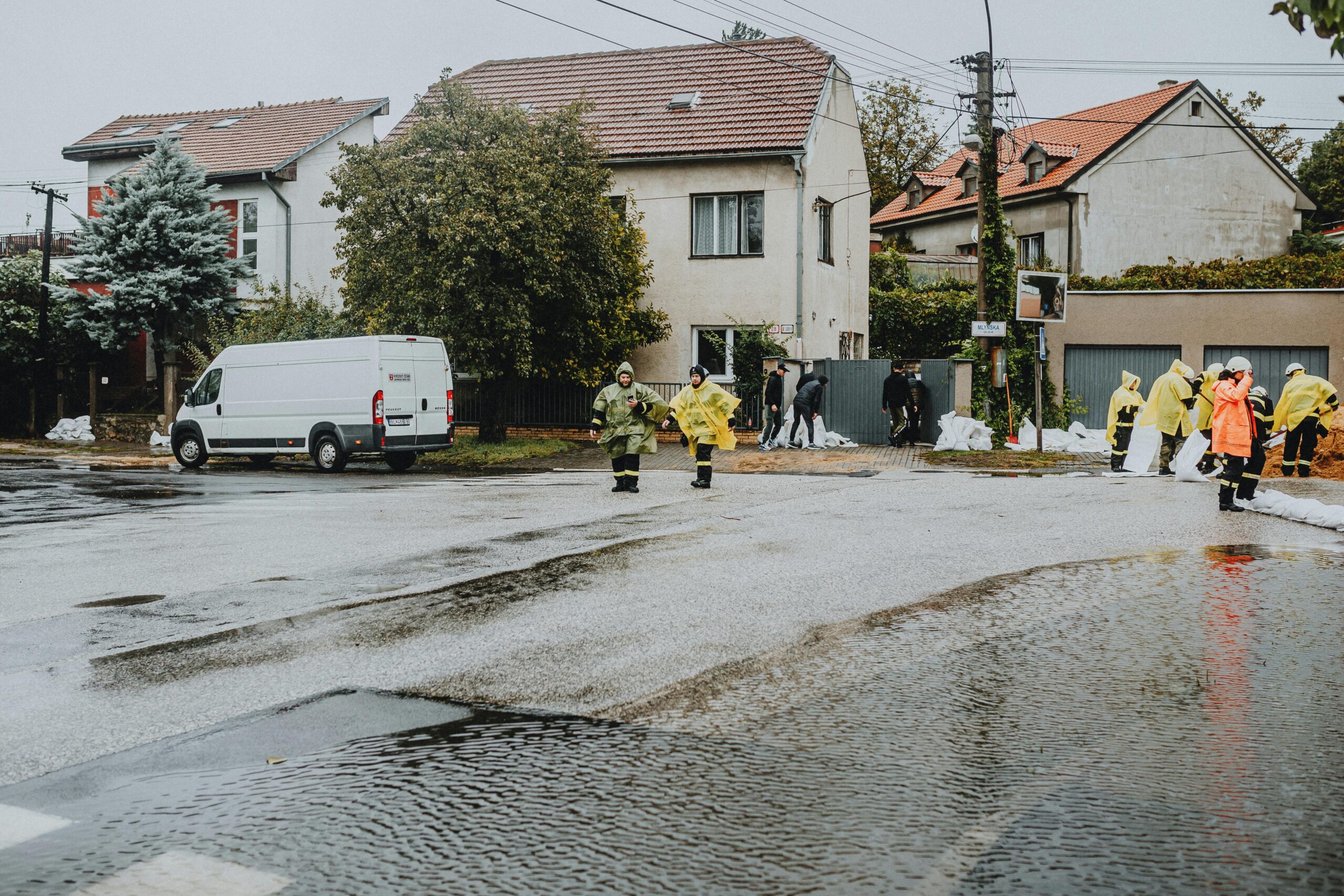
Modular flood barriers offer flexible protection that deploys only when needed. These systems use lightweight materials that residents or automated mechanisms can quickly install across doorways, streets, or vulnerable infrastructure. Unlike permanent barriers that alter urban landscapes, modular systems maintain normal city function while providing emergency protection.
Adaptive Infrastructure Design
New construction increasingly incorporates flood-adaptive features from the design phase. Elevated buildings, amphibious foundations that float during floods, and wet-proof construction materials minimize damage even when water intrusion occurs. Parking structures and ground floors are designed to flood safely, protecting occupied spaces above while allowing water to flow through without causing structural damage.
Water-sensitive urban design integrates flood management into every aspect of city planning. Streets become bioswales, parks serve as temporary detention basins, and public squares incorporate permeable surfaces. This holistic approach distributes flood management across the entire urban landscape rather than relying on centralized infrastructure alone.
📱 Digital Platforms and Community Engagement
Mobile applications connect residents with real-time flood information and emergency resources. These platforms provide personalized alerts based on user location, evacuation route guidance, and shelter information. Crowdsourcing features allow citizens to report flooding, drainage issues, and other concerns, creating valuable data streams that complement official monitoring systems.
Community engagement transforms residents from passive victims into active participants in flood resilience. Educational programs teach property owners about rain barrels, rain gardens, and other small-scale solutions that collectively make significant impacts. Neighborhood flood action groups coordinate local responses and advocate for infrastructure improvements.
Data Transparency and Participatory Planning
Open data initiatives make flood risk information accessible to everyone. Interactive maps show flood zones, historical flooding incidents, and planned improvements. This transparency builds trust and enables informed decision-making by residents, businesses, and developers.
Participatory planning processes involve communities in designing flood prevention strategies for their neighborhoods. Local knowledge about problem areas, drainage patterns, and community needs enriches technical planning and ensures solutions address real priorities. This collaboration increases public support and successful implementation of flood prevention measures.
🌍 Global Success Stories: Learning from Innovative Cities
Rotterdam, Netherlands, has transformed from a flood-vulnerable port city into a global leader in water management innovation. The city’s comprehensive approach combines water squares that serve as public spaces during dry weather and stormwater storage during storms, floating pavilions, and green roofs. Rotterdam’s water management strategy embraces flooding rather than fighting it, designing spaces where water is welcome and controlled.
Singapore’s Active, Beautiful, Clean Waters program reimagined drainage canals as vibrant community spaces. Concrete channels became naturalized waterways with planted edges, recreational paths, and aquatic ecosystems. This transformation improved flood management while creating valuable amenities that enhanced quality of life and property values.
Copenhagen’s Cloudburst Management Plan
After devastating flooding in 2011, Copenhagen developed an ambitious cloudburst management plan addressing extreme rainfall events. The strategy combines green infrastructure, modified streets that channel water to parks, and underground storage. Rather than viewing flood management as purely technical, Copenhagen integrated solutions into urban beautification and public space improvements, gaining public support and creating multiple benefits.
The city’s approach demonstrates how flood resilience investments can drive urban improvement rather than simply defend against disasters. Projects enhance neighborhoods, increase property values, and improve daily life while providing critical flood protection during extreme events.
💰 Financing Flood Resilience: Innovative Funding Models
Traditional infrastructure financing through municipal bonds and taxes often proves insufficient for comprehensive flood resilience programs. Innovative funding mechanisms are emerging to close the investment gap and accelerate implementation.
Stormwater utilities charge property owners fees based on impervious surface area, creating dedicated revenue streams for drainage improvements. These fees typically include credits for property owners who implement green infrastructure, incentivizing distributed solutions. Philadelphia’s stormwater utility has funded extensive green infrastructure deployment while reducing the burden on public budgets.
Public-Private Partnerships and Green Bonds
Public-private partnerships leverage private capital and expertise for flood resilience projects. Private partners finance, design, and construct infrastructure in exchange for long-term contracts or performance-based payments. These arrangements accelerate project delivery and transfer some risks to private entities.
Green bonds specifically designated for climate adaptation and resilience projects attract environmentally focused investors. Cities worldwide have issued billions in green bonds for flood prevention infrastructure, accessing capital markets eager to support sustainable development while obtaining favorable financing terms.
🔬 Emerging Technologies Shaping Future Flood Prevention
Quantum computing promises to revolutionize flood modeling with unprecedented computational power. Complex hydrological simulations that currently take hours or days could run in minutes, enabling real-time optimization of flood management strategies during active storm events.
Nanotechnology is developing super-absorbent materials and advanced coatings that could transform flood protection. Permeable concretes with enhanced infiltration rates, self-healing materials that automatically repair damage, and hydrophobic coatings that protect structures from water damage represent the next generation of flood resilience materials.
Drone Technology and Remote Sensing
Autonomous drones equipped with thermal imaging and LiDAR sensors rapidly assess flood damage, identify stranded individuals, and monitor water levels across wide areas. These systems provide situational awareness impossible through traditional methods, enabling more effective emergency response and faster recovery.
Satellite remote sensing tracks urban development patterns, identifies vulnerable areas, and monitors changes in flood risk over time. This global perspective helps cities understand their flood vulnerabilities in regional contexts and learn from similar cities facing comparable challenges.
🏘️ Building Community Resilience Beyond Infrastructure
Physical infrastructure alone cannot create truly resilient cities. Social infrastructure—strong community networks, effective communication systems, and inclusive planning processes—determines how communities experience and recover from floods.
Vulnerable populations including elderly residents, low-income communities, and people with disabilities face disproportionate flood risks and recovery challenges. Equitable flood resilience strategies prioritize these communities, ensuring that improvements benefit everyone rather than only wealthy neighborhoods.
Resilience Hubs and Mutual Aid Networks
Community resilience hubs provide local centers where residents access information, resources, and support before, during, and after flood events. These facilities serve multiple purposes during normal times—community centers, libraries, or recreation facilities—and activate as emergency hubs when needed.
Mutual aid networks organize neighbors to support each other during disasters. These grassroots organizations complement official emergency services, providing rapid local response, checking on vulnerable neighbors, and coordinating community recovery efforts. Cities supporting these networks through training, communication tools, and small grants enhance overall resilience at minimal cost.
🎯 Implementing Integrated Flood Management Strategies
Successful flood resilience requires integrated strategies that combine multiple approaches rather than relying on single solutions. Comprehensive plans assess all potential interventions—technological, natural, engineering, and social—selecting optimal combinations for local conditions, budgets, and priorities.
Risk-based approaches prioritize investments where they provide maximum benefit. Detailed flood modeling identifies critical vulnerabilities and evaluates how different interventions reduce risks. Cost-benefit analysis ensures limited resources generate greatest returns in reduced damages and enhanced safety.
Adaptive Management and Continuous Improvement
Climate change and urban development constantly alter flood risks, requiring adaptive management approaches that evolve with changing conditions. Regular monitoring assesses infrastructure performance, identifies emerging vulnerabilities, and evaluates new technologies or approaches. This continuous improvement cycle ensures cities maintain effective flood resilience despite changing circumstances.
Scenario planning prepares cities for multiple possible futures. By developing strategies flexible enough to address various climate and development scenarios, cities avoid costly investments in infrastructure that may prove inadequate or unnecessary as conditions change.
🚀 Creating a Safer Future Through Innovation and Collaboration
Building flood-resilient cities requires sustained commitment, innovative thinking, and collaboration across sectors and disciplines. Engineers, urban planners, ecologists, social scientists, technologists, and communities must work together, integrating diverse knowledge and perspectives into comprehensive solutions.
The transition from reactive flood response to proactive resilience building represents a fundamental shift in urban development philosophy. Rather than viewing floods as external threats to defend against, resilient cities embrace water as an essential element of urban ecosystems, designing systems that work with natural processes rather than against them.
Investment in flood resilience delivers returns far exceeding costs through avoided damages, enhanced livability, and increased economic productivity. Every dollar spent on prevention saves approximately six dollars in disaster costs, making resilience not just environmentally necessary but economically prudent.
The innovative models emerging worldwide demonstrate that cities can dramatically reduce flood risks while creating more beautiful, sustainable, and equitable urban environments. As climate challenges intensify, these smart solutions offer pathways toward safer, more resilient cities where communities thrive despite increasing environmental pressures. The technology, knowledge, and strategies exist—what remains is the collective will to implement them at the scale and speed necessary to protect our urban future.